
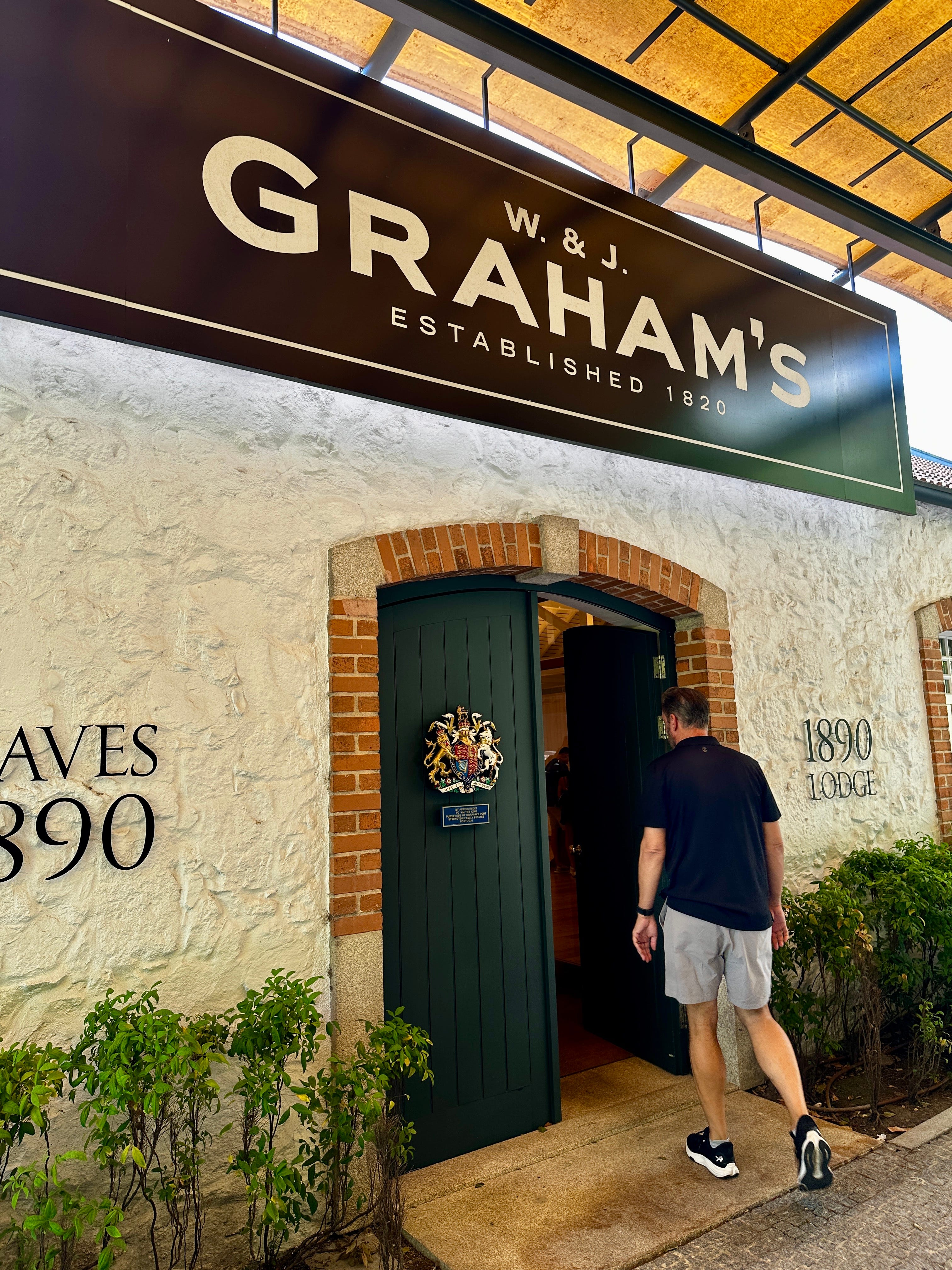
Today we crossed the river to Vila Nova de Gaia, which is a neighborhood dedicated to one very important cause: making sure the world never runs out of Port wine.
Our destination was Graham's Port Lodge, where we quickly discovered how much we like the smell of wine caves, and how a port wine tasting is best enjoyed at a leisurely pace.
Founded in 1820, Graham's has been producing Port from grapes grown in Portugal's Douro Valley for more than 200 years. Even more impressive, it's still owned and run by the Symington family, with ten family members currently involved in the business. Apparently, in this family, "What do you want to be when you grow up?" has had the same answer for about two centuries.
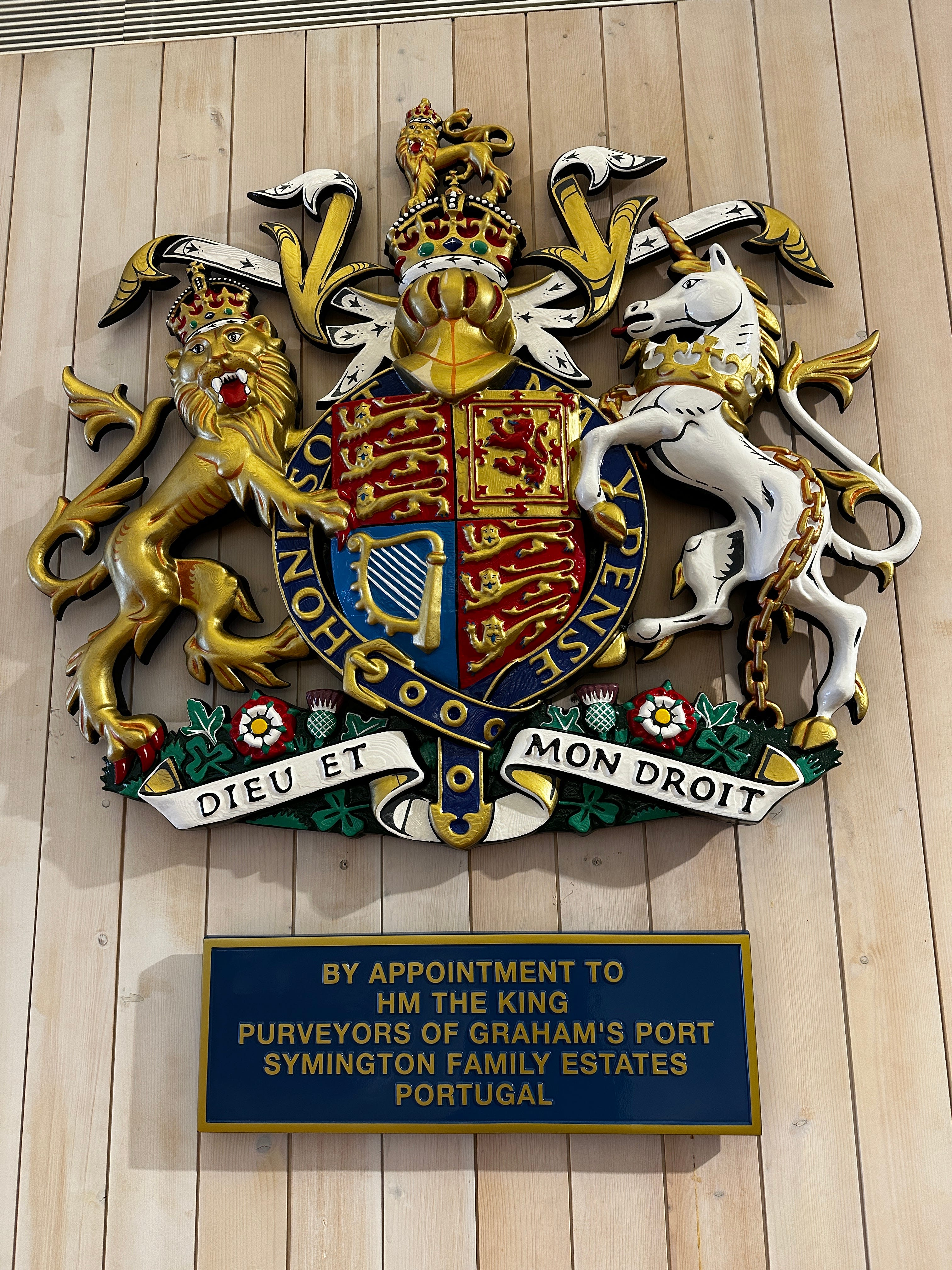
Over the years, the Symingtons have supplied Port to kings, queens, and heads of state. And today... us. I assume we're all equally important.



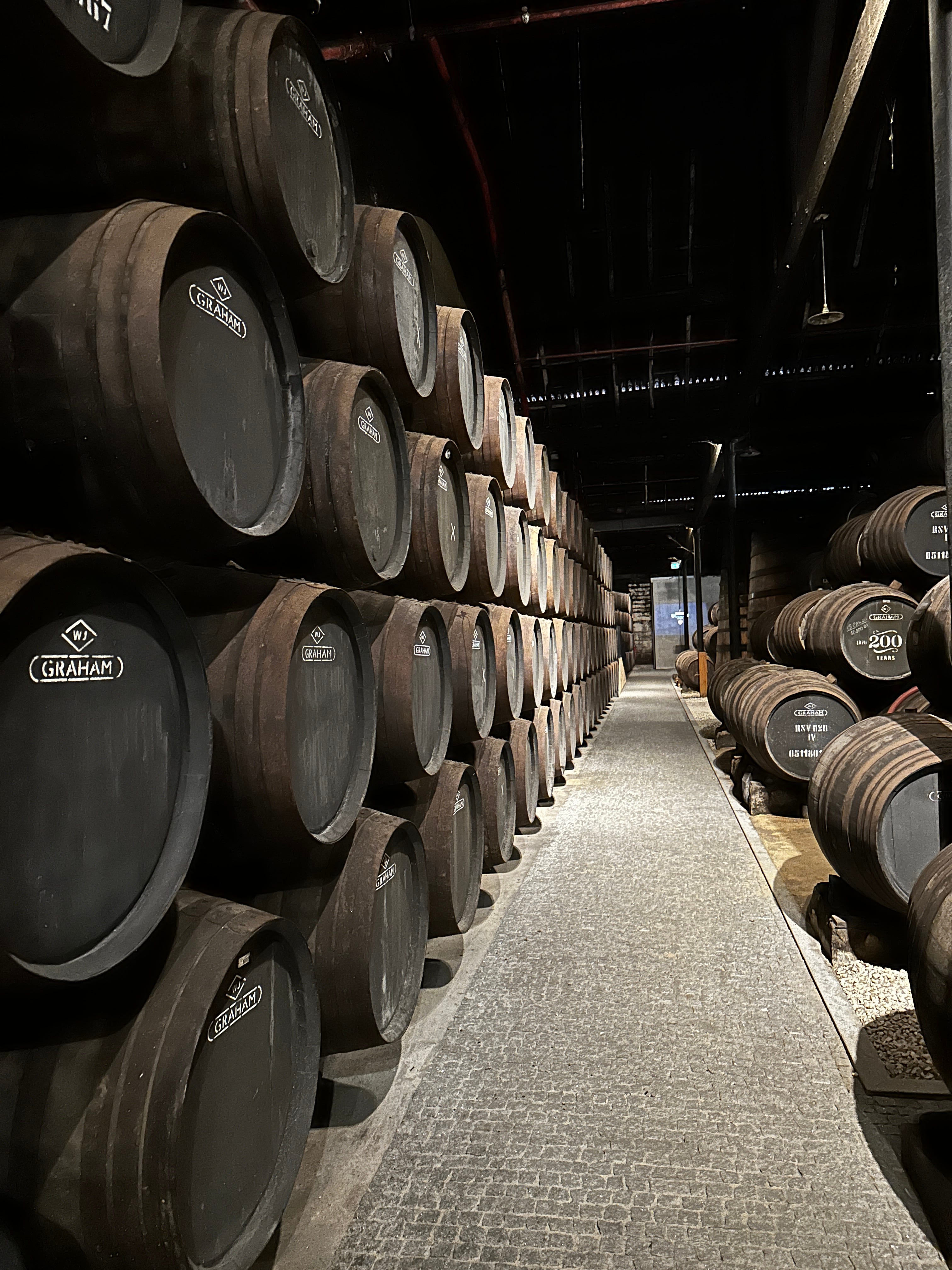
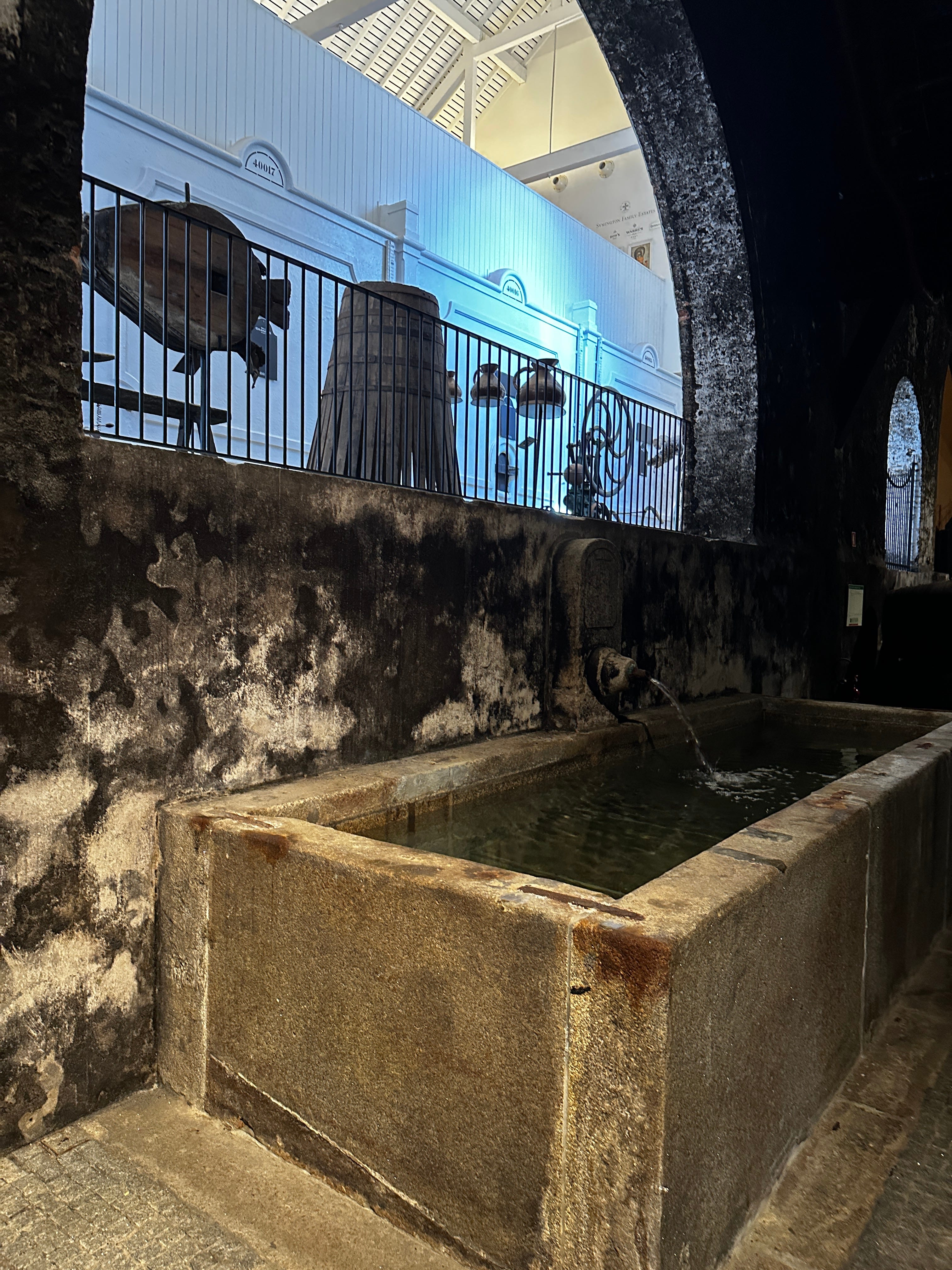
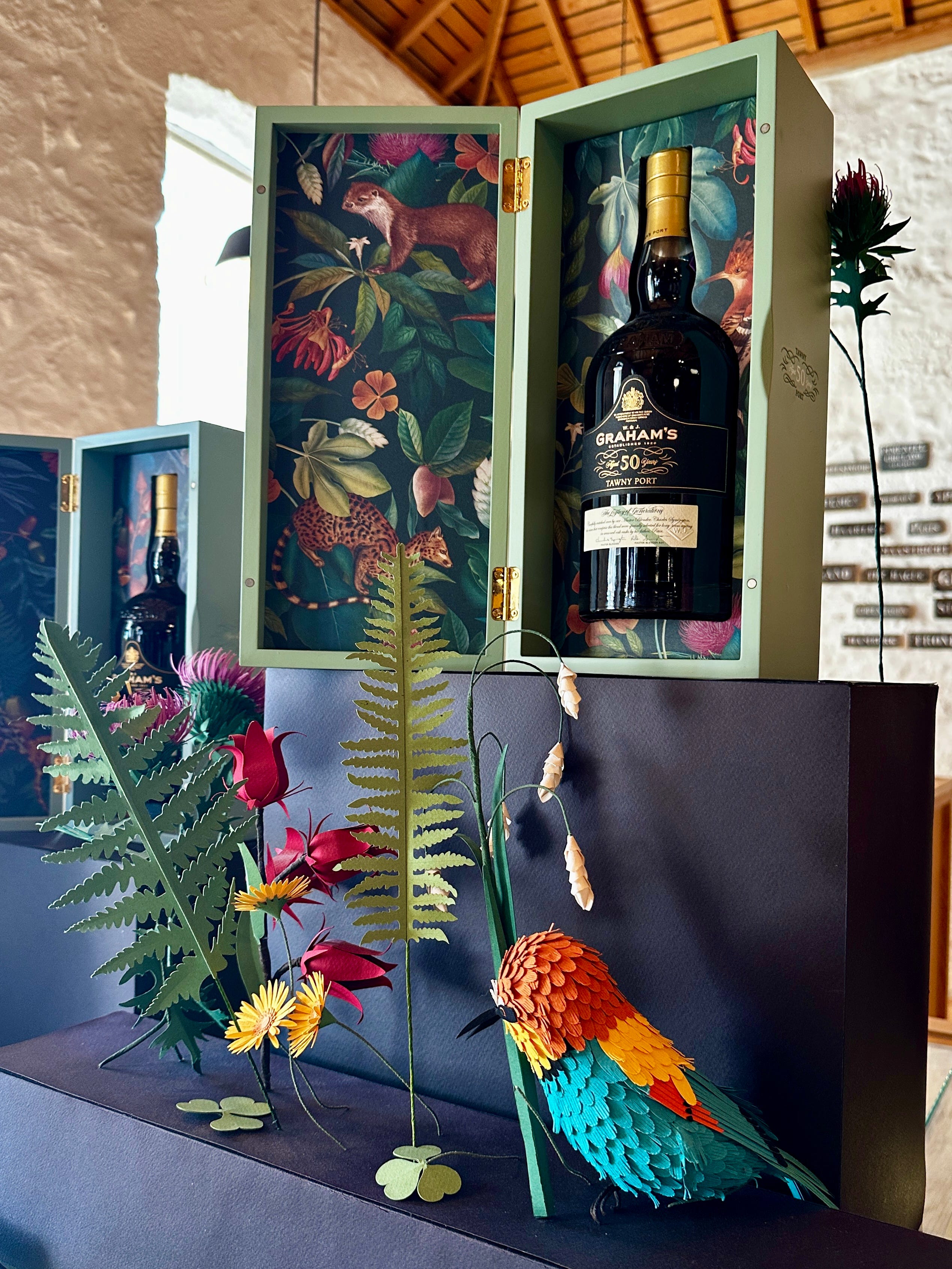
The tour took us through their massive cellars, built in 1890, where row after row of seasoned oak casks, and some vintage bottles, age what is essentially liquid patience. Some of the bottles have been there longer than most countries have had electricity.
Along the way, we learned exactly what makes Port different from regular wine. During fermentation, a neutral grape spirit (essentially brandy) is added, stopping the fermentation early. That leaves behind the wine’s natural sugars while boosting the alcohol content to a respectable, perhaps dangerous, 19-22%.
Translation: it’s dessert and a high-powered cocktail rolled into one.
We also got a crash course in the different styles of Port.
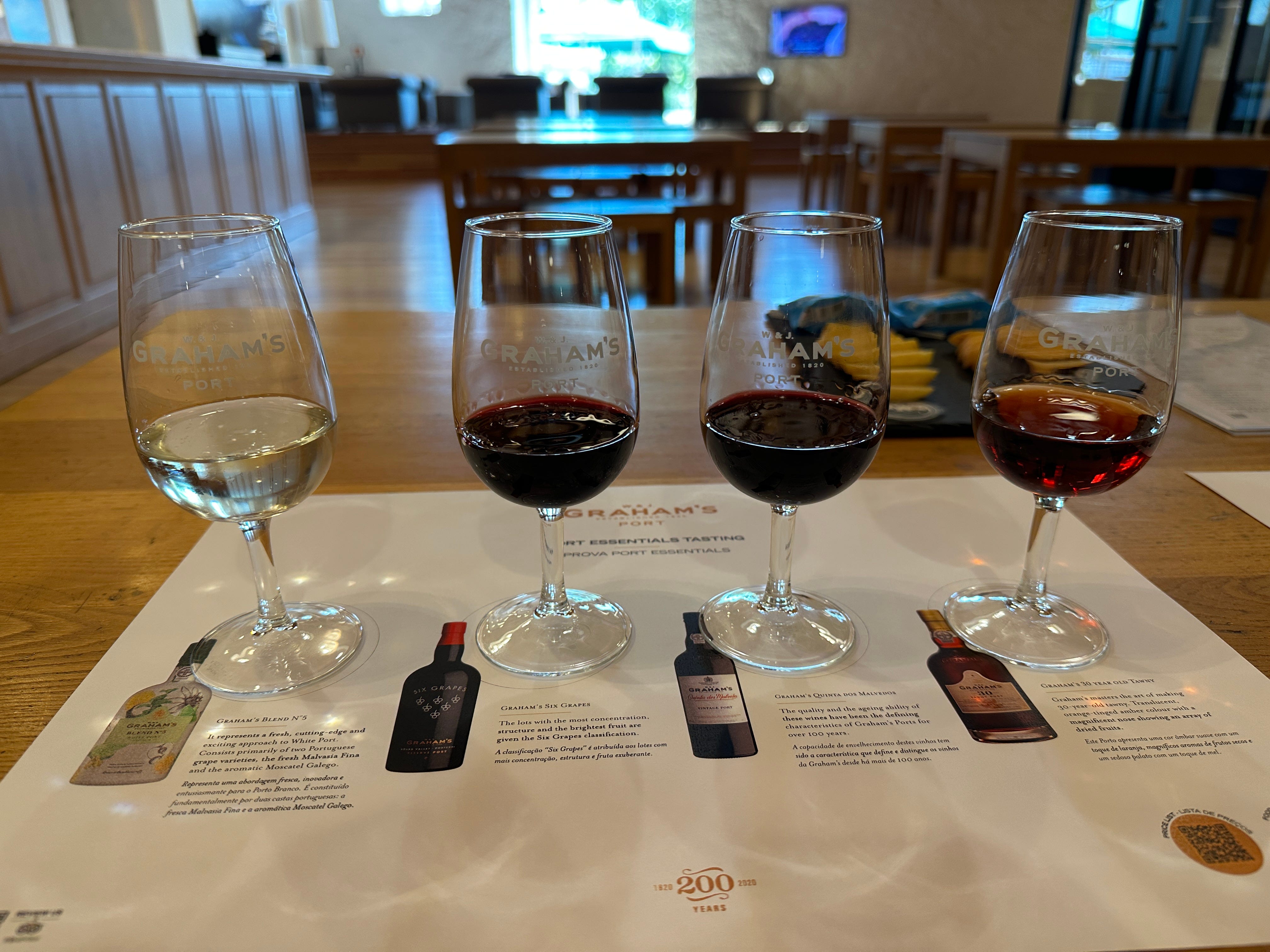
Ruby Port is bottled young, and packed with fresh berry flavors. The premium version, Vintage Port, spends only a short time in wood before aging in the bottle for decades.
Tawny Port takes the slow road, spending years in oak barrels where gentle oxidation transforms it into something silky, nutty, caramel-like, and amber in color. Graham’s is especially famous for its rich 10, 20, and 30-year Tawny Ports.
White Port, made from white grapes, ranges from dry to sweet and is often served chilled before a meal. It’s Port’s lighter, more refreshing cousin.


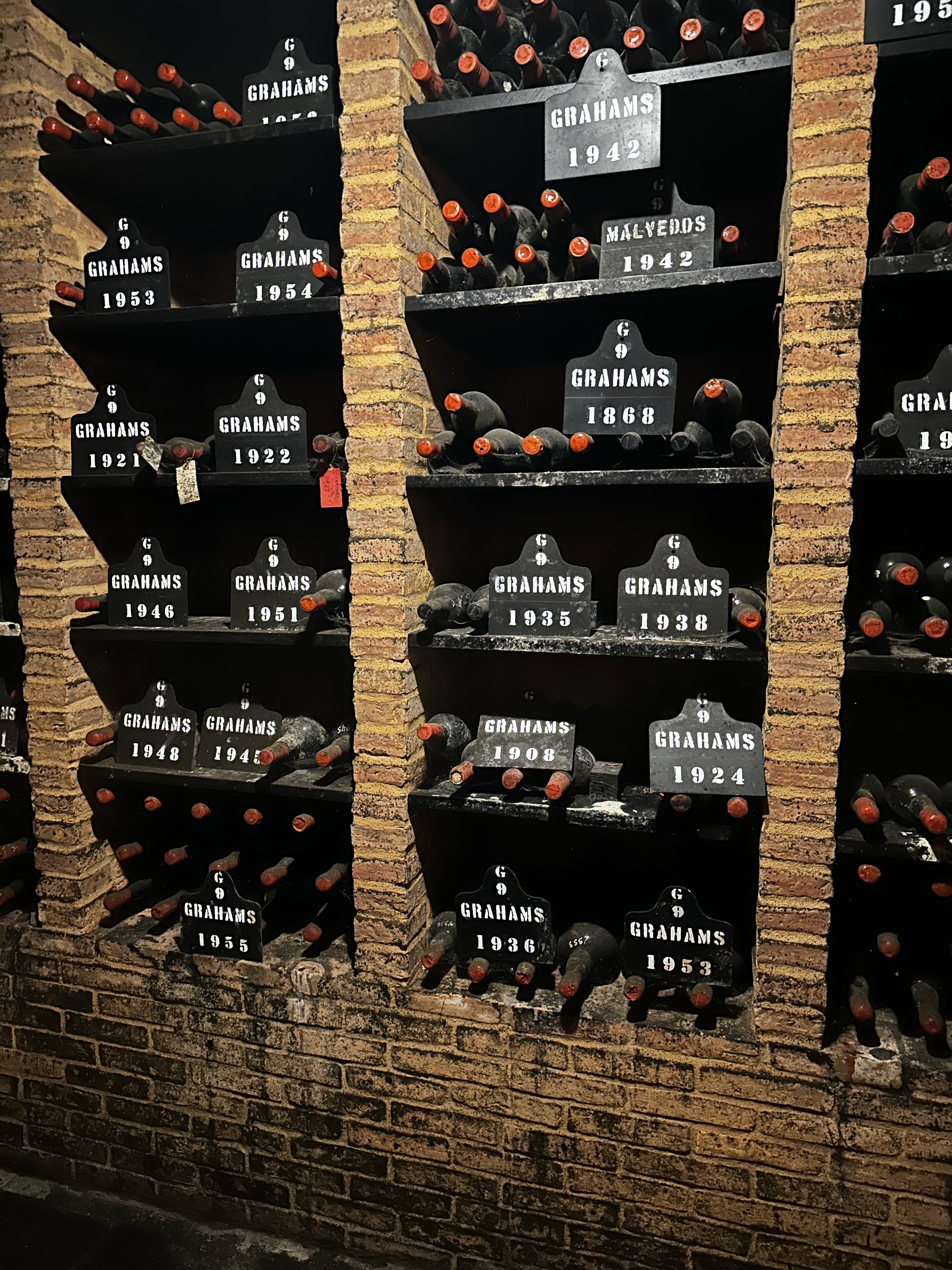
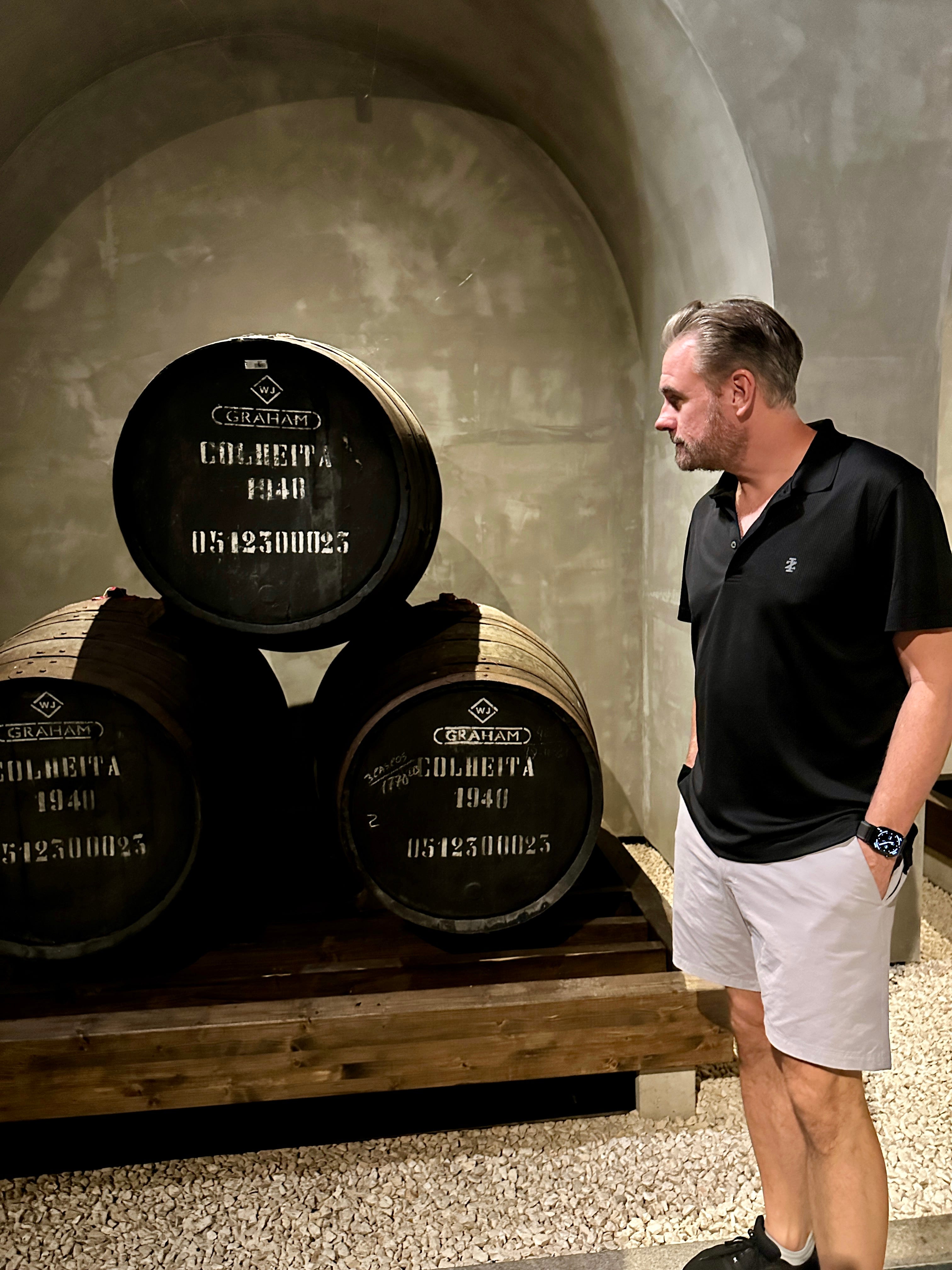
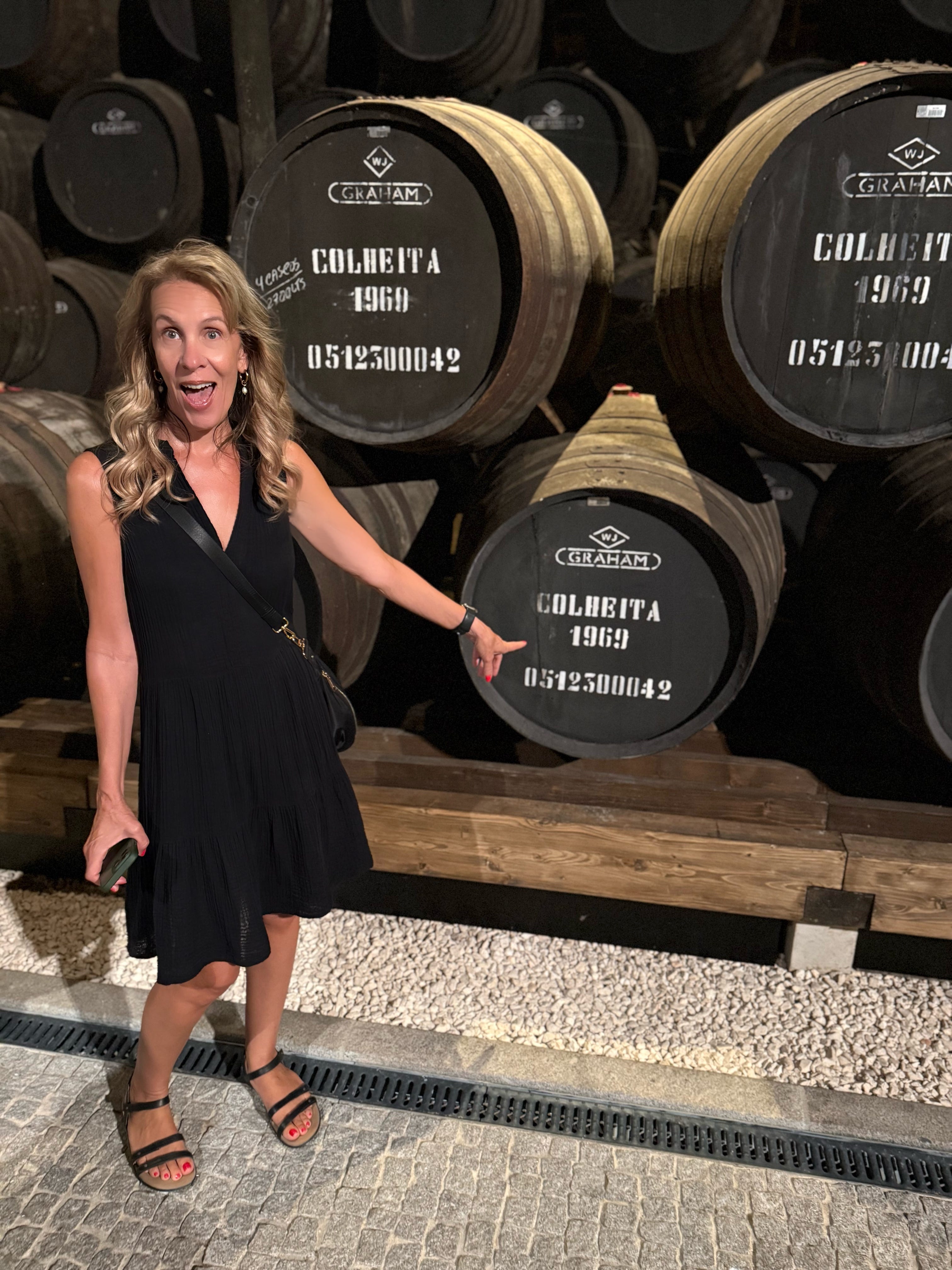
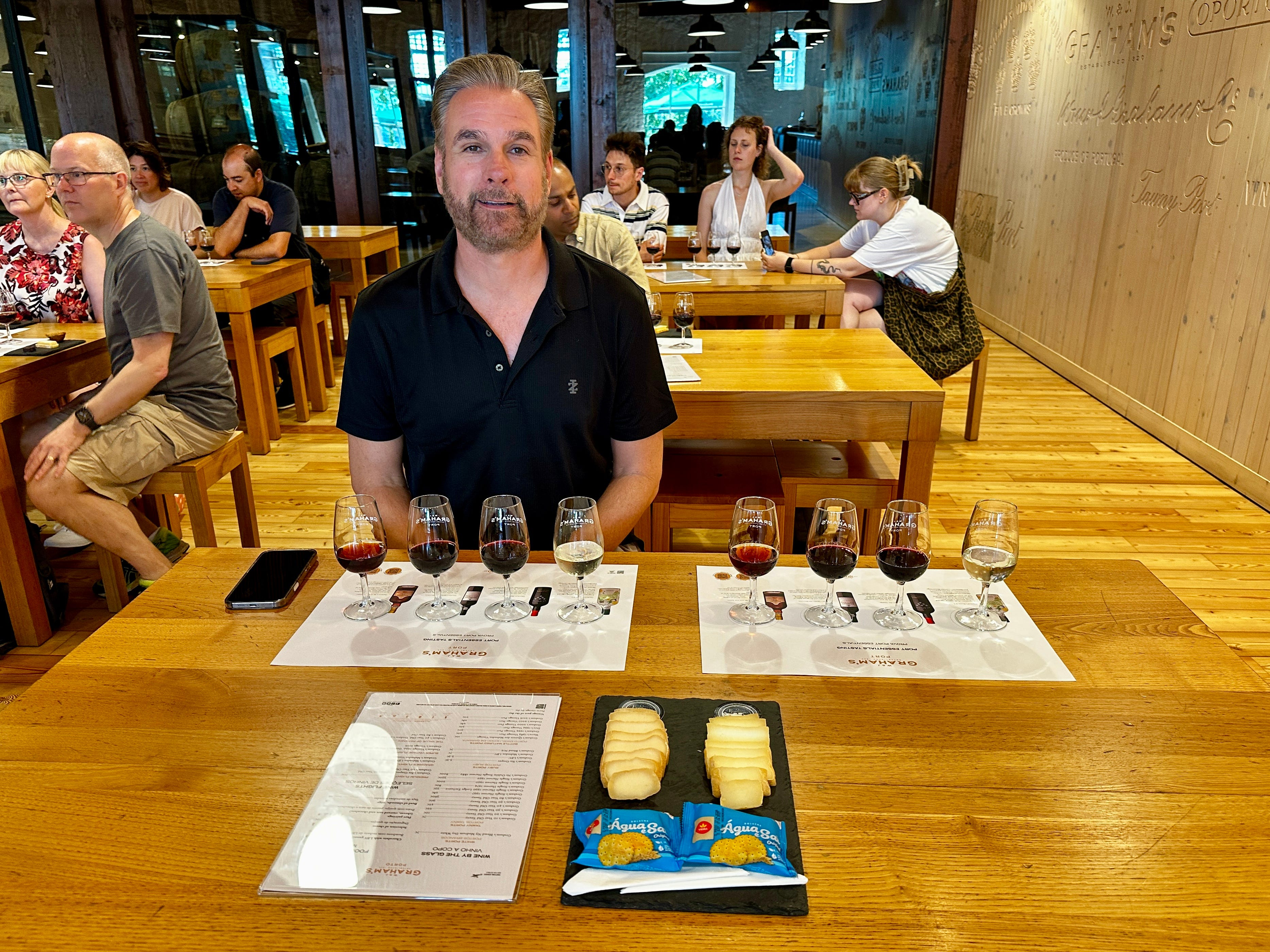
Of course, the best part of any educational experience is the homework. Our tour included a customized tasting, and we selected the four-Port flight paired with local cheeses. If you’re going to learn, you might as well commit.
By the time we finished, we were feeling very educated.
And also very aware that Port is considerably stronger than the average glass of wine.

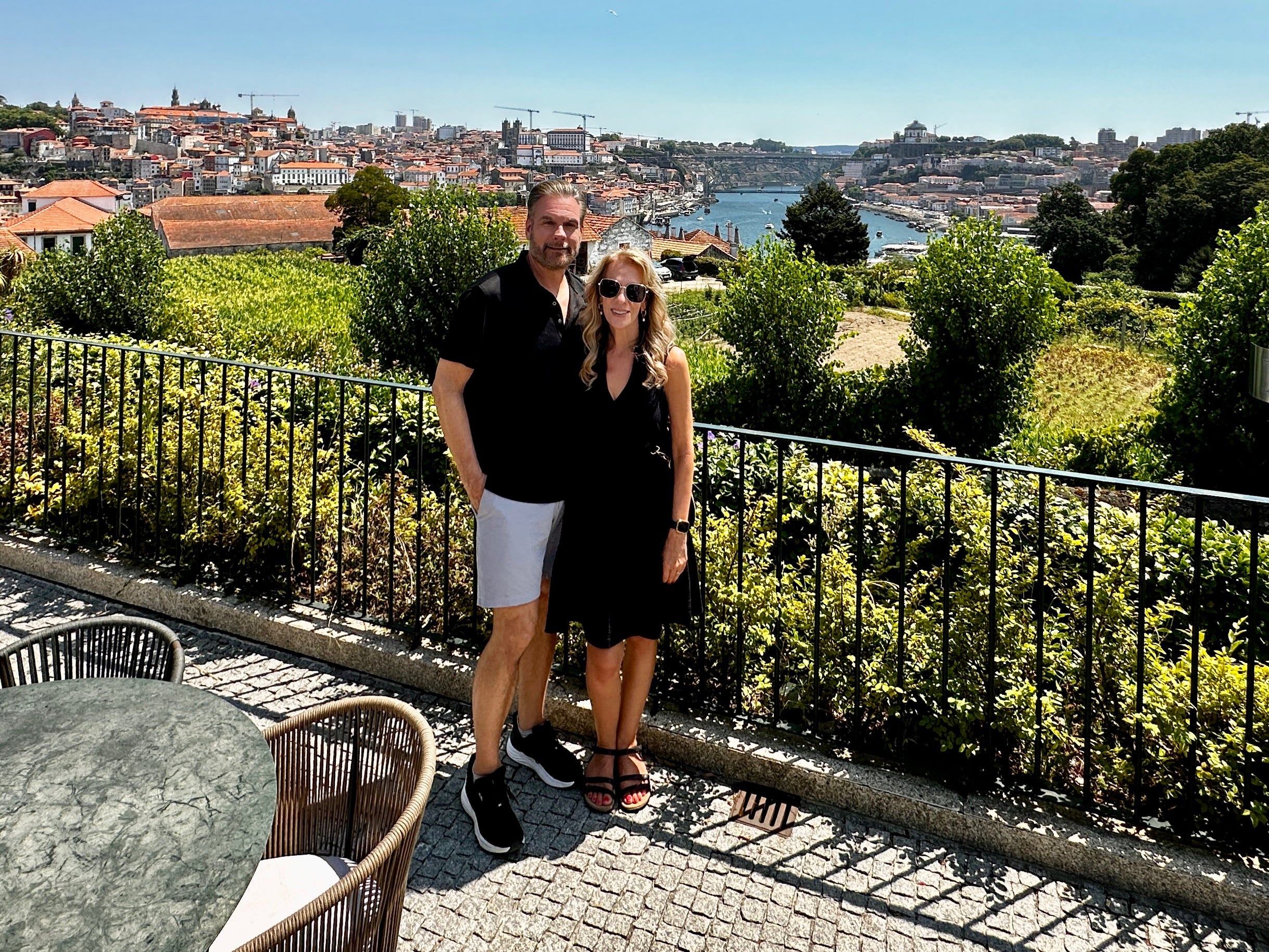
Fortunately, the solution was conveniently located upstairs. Vinum Restaurant & Wine Bar sits inside the historic cellar and overlooks the Douro River and Porto, making it a pretty spectacular place to recover from all that learning.
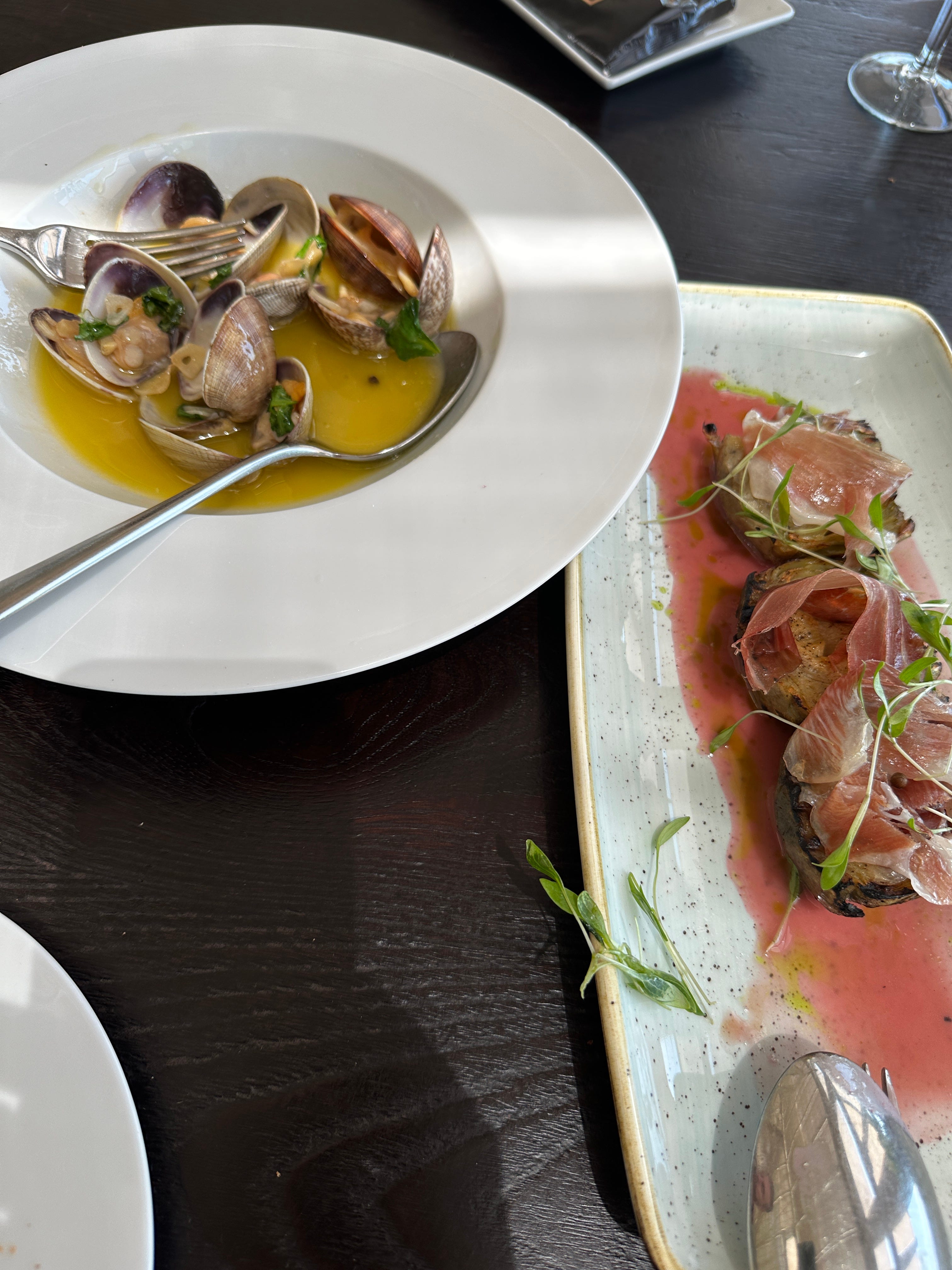
We shared slices of beautifully aged sourdough, crispy croquettes, grilled artichokes with Iberian ham, and steamed clams swimming in a buttery white wine sauce
It was exactly what we needed.
We crossed back over the river with full bellies and a much deeper appreciation for Portugal's most famous after-dinner drink. We also left with a healthy respect for the fact that Port tastes like dessert... but packs the alcohol content of something with much less innocent intentions.
Saúde! 🍷
Oh what a great day out! Remind me when you get home to share the name of a bottle of wine…16 percent alcohol. It is very good and nicely priced….aged in oak barrels so makes me wonder if it is one step away from a port.
You know they’ll ship bottles to the states for you. Just saying