
After visiting the Quinta das Carvalhas vineyards in the Douro Valley, and being won over by their 20-year tawny port, we knew we wanted to visit their lodge (where they age and bottle the wine) in Vila Nova de Gaia, Real Companhia Velha.
Founded in 1756 by royal charter, Real Companhia Velha was created to regulate the Port wine trade and protect the quality and authenticity of Douro wines. Between 1758 and 1761, it helped establish the original boundaries of the Douro demarcated wine region, which is the oldest demarcated wine region in the world.
Just like champagne, which can only be called champagne if it is from the Champagne region in France, port wine can only be called port if it is from the Douro wine region in Portugal.
Shawn was able to get a great deal on a private tour with the purchase of a hop-on/hop-off bus ticket that was less $ than the discount amount.
We started the day at the bottom of the hill with another excellent breakfast at Tulipa Brunch, followed by a quick visit to the church right next door.
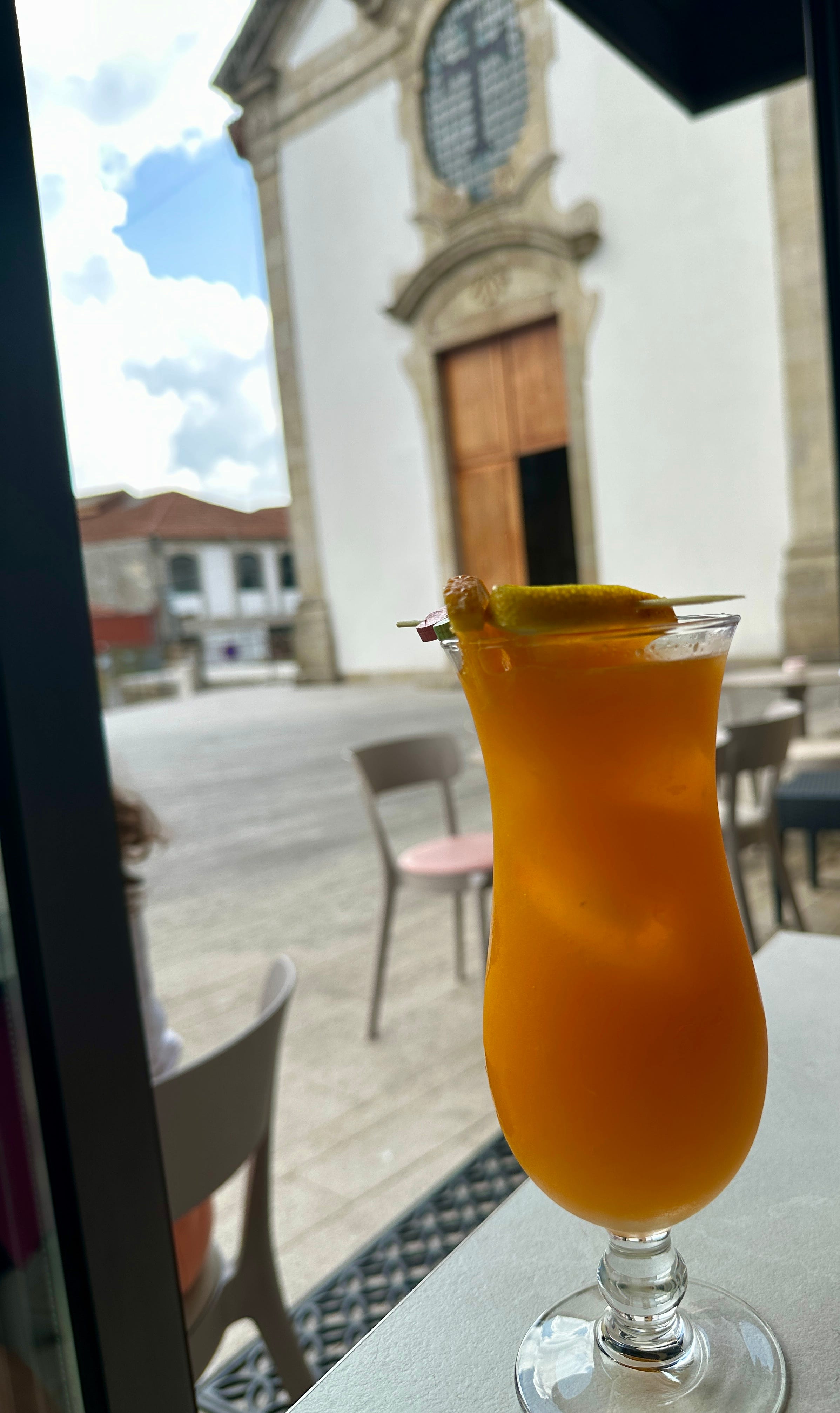
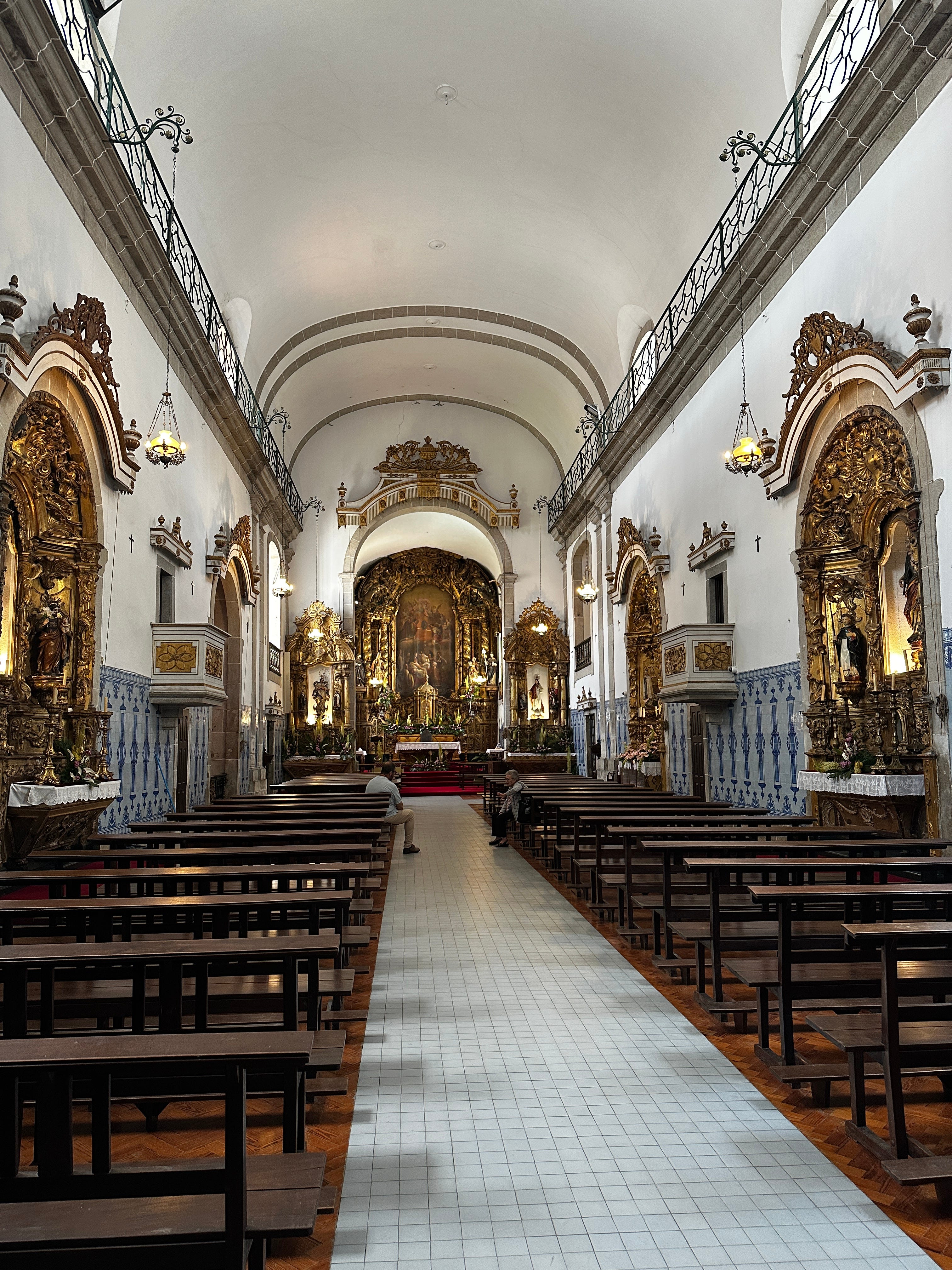
This turned out to be excellent planning, because I was going to need some divine forgiveness for the things I said while climbing the hill to the lodge.
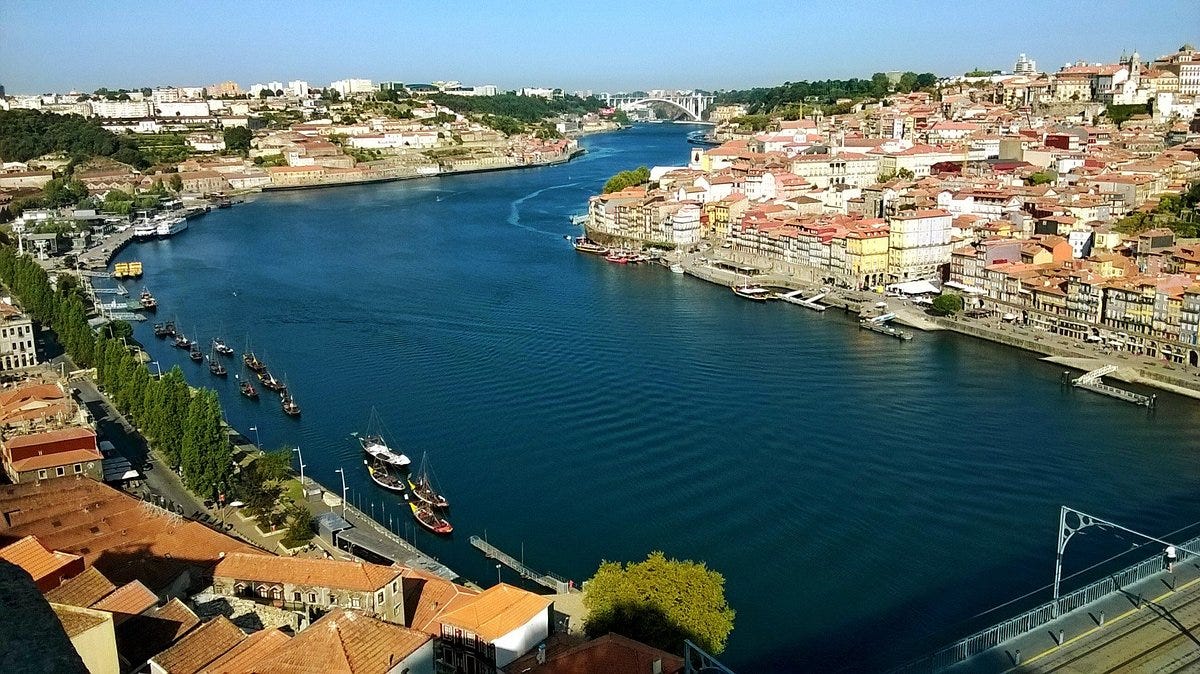
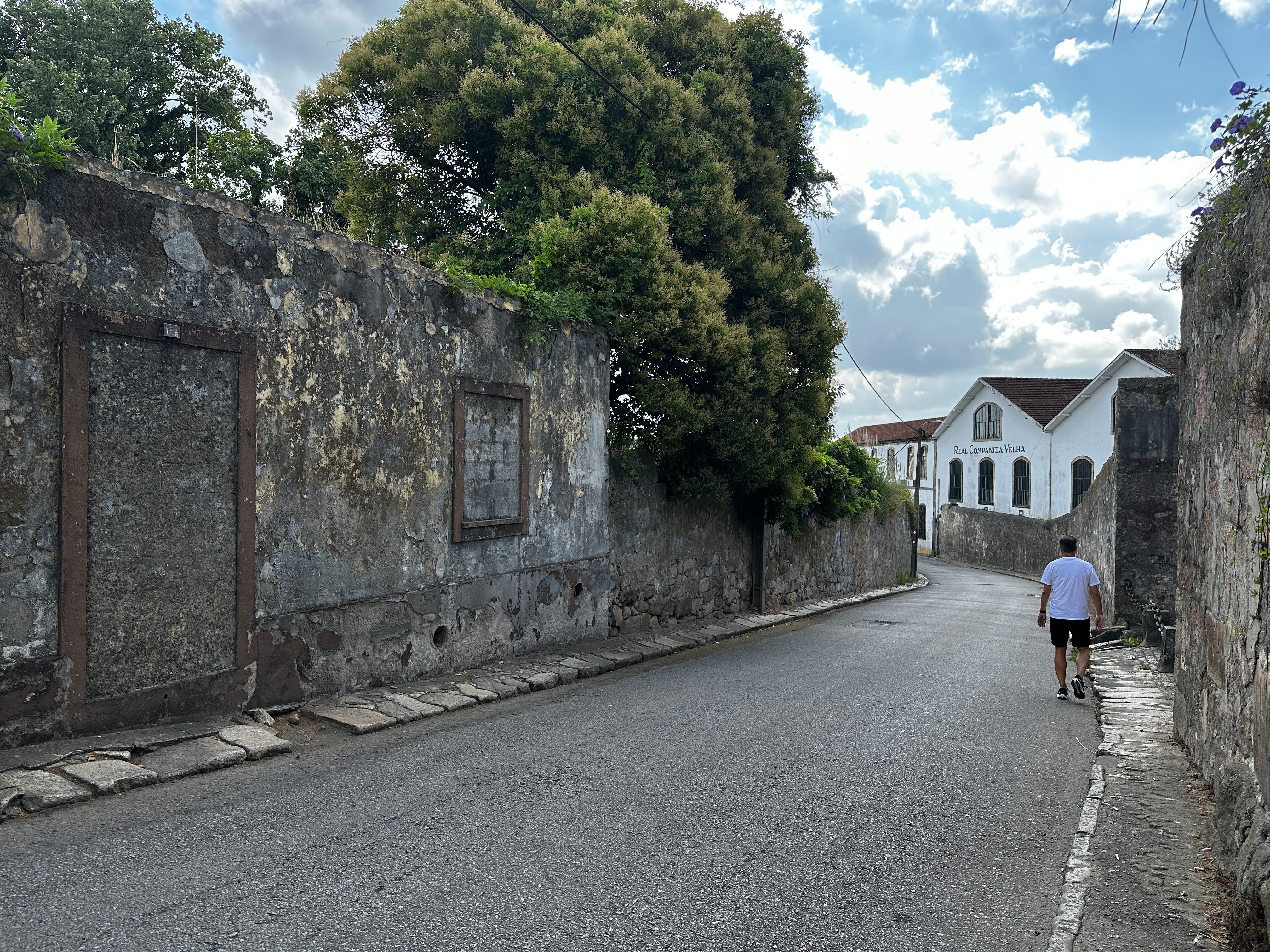
And when I say “hill”, I mean the kind of hill that makes you question every decision that led you to become a person who enjoys walking. About 60 meters (196 feet) up in a very short distance. Here’s a photo from the top down for reference:
These were my thoughts on the hill when we made it to the top - avert your eyes, children…
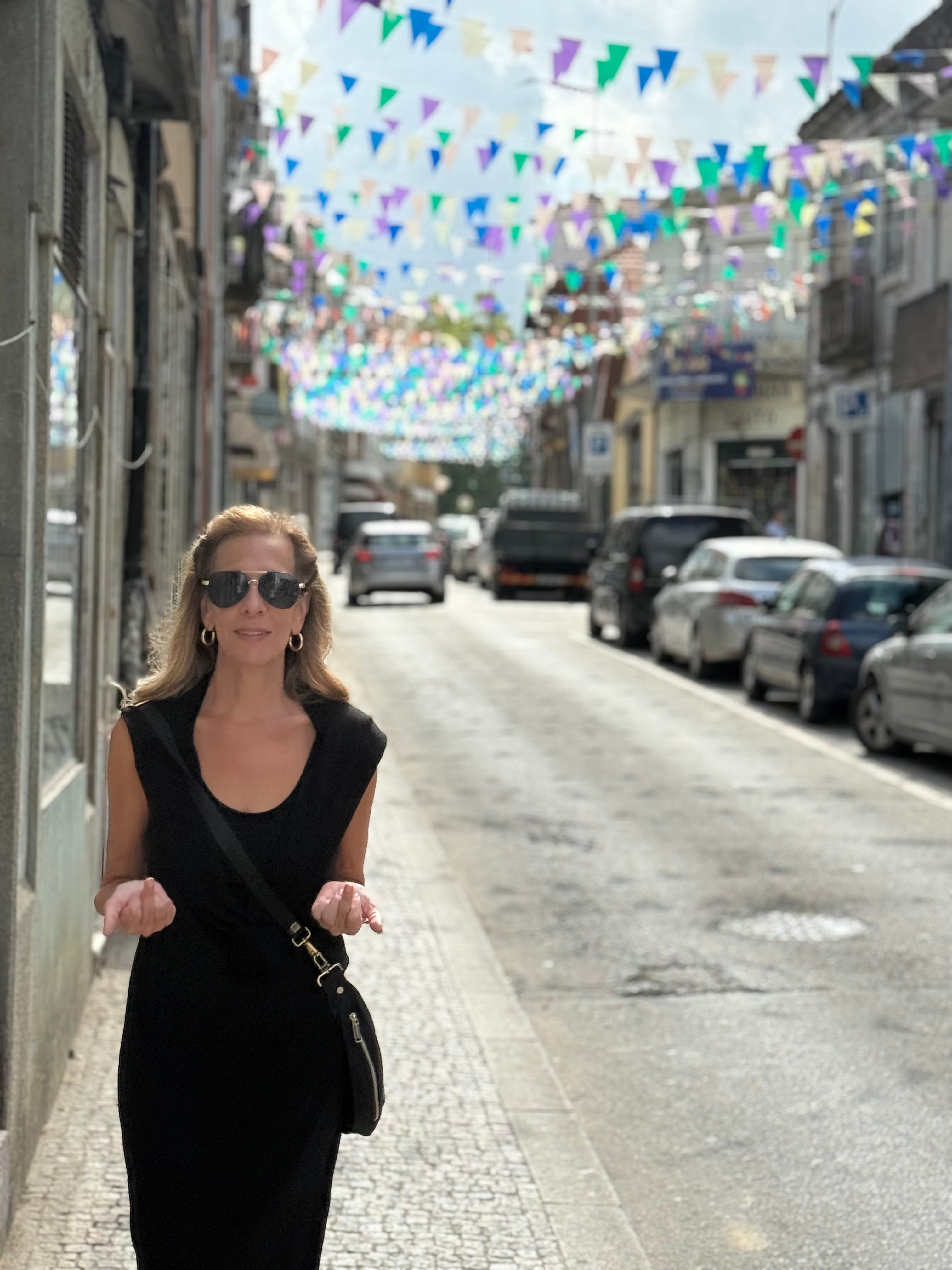
We got a tiny downhill reprieve as we approached the lodge.
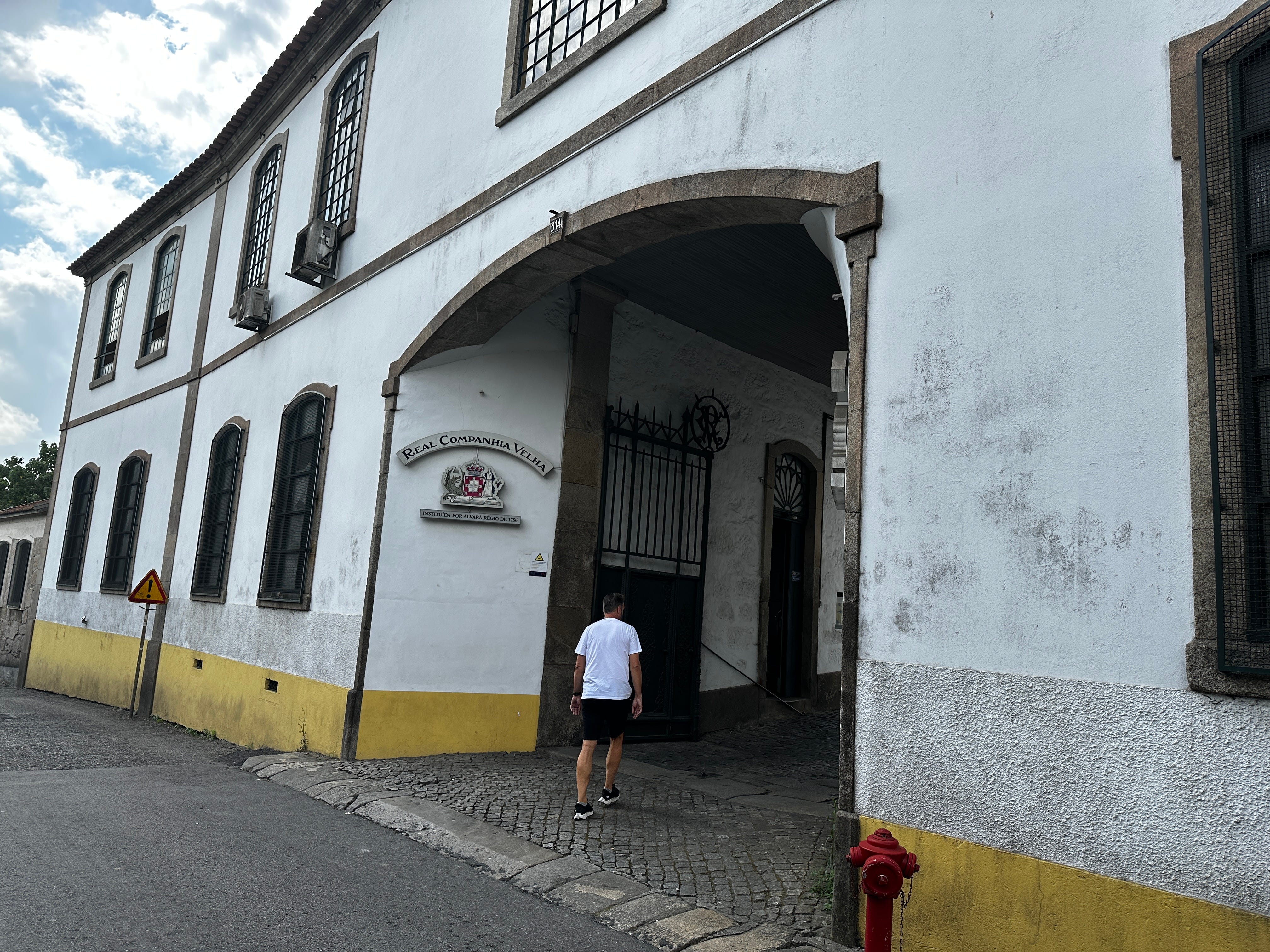
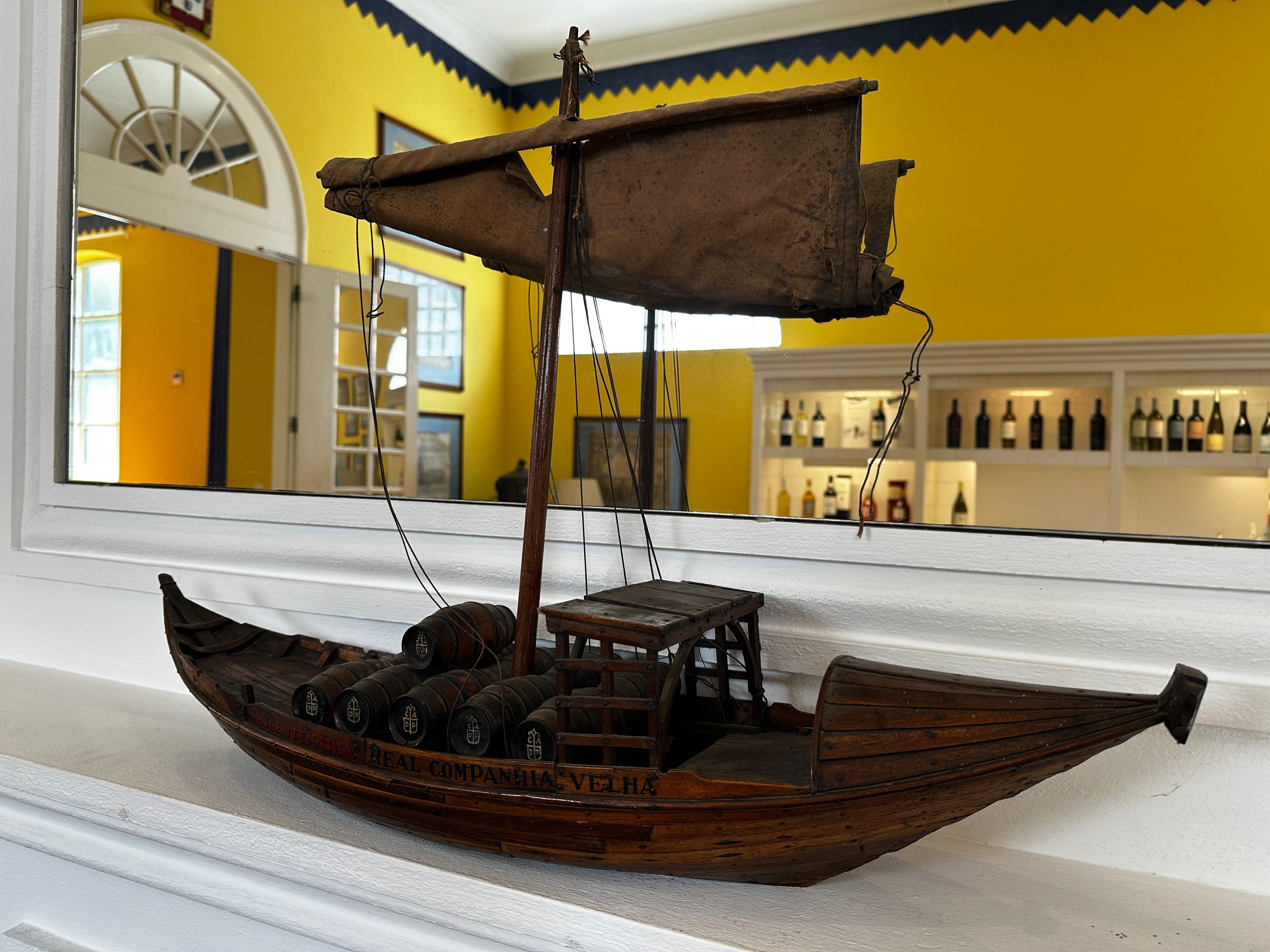
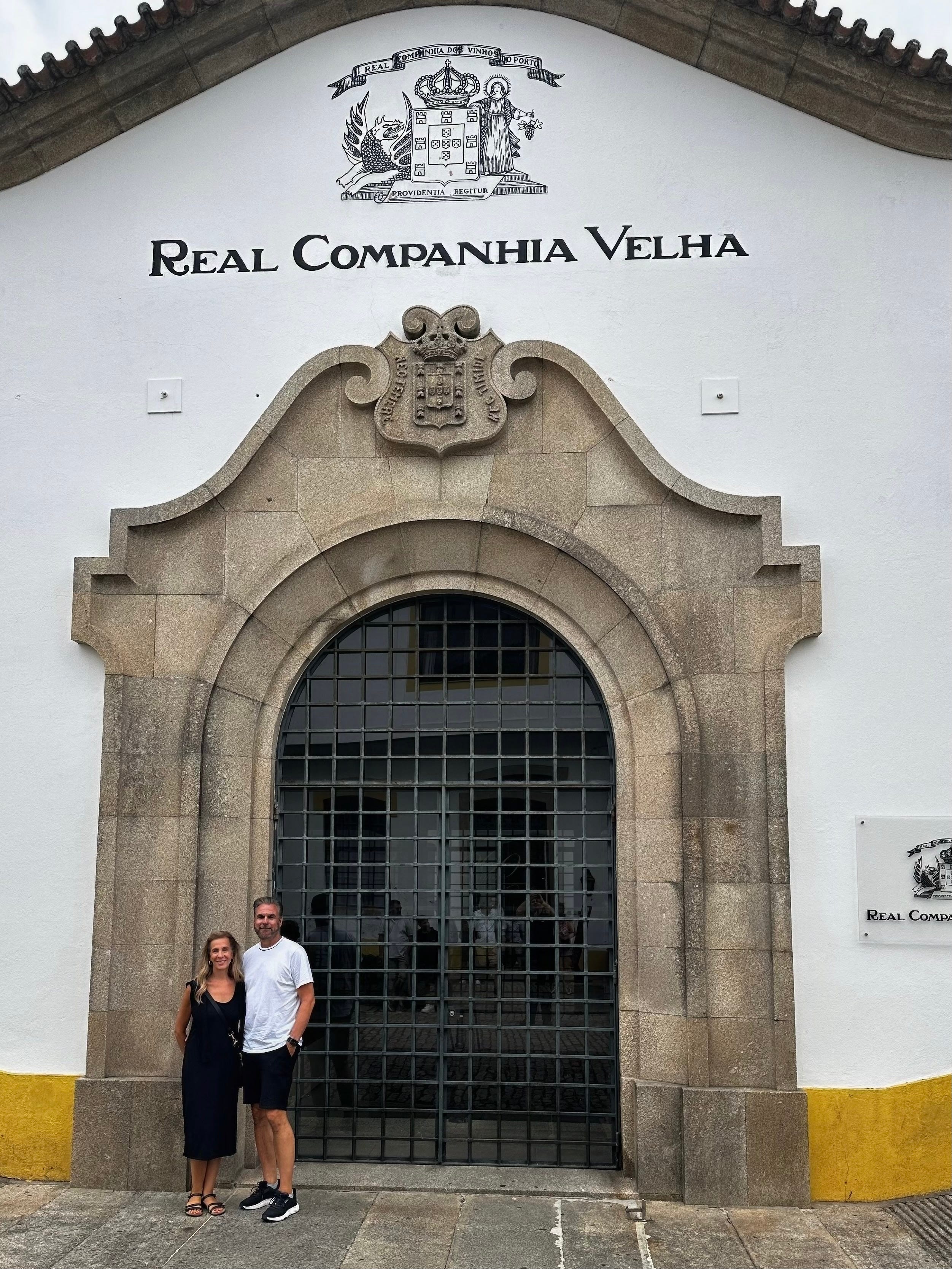
Our tour began in the barrel-aging room, where we got a look at the enormous wooden casks. It was great to move at our own pace while hearing about the history of the lodge and the aging techniques for the different types of port.
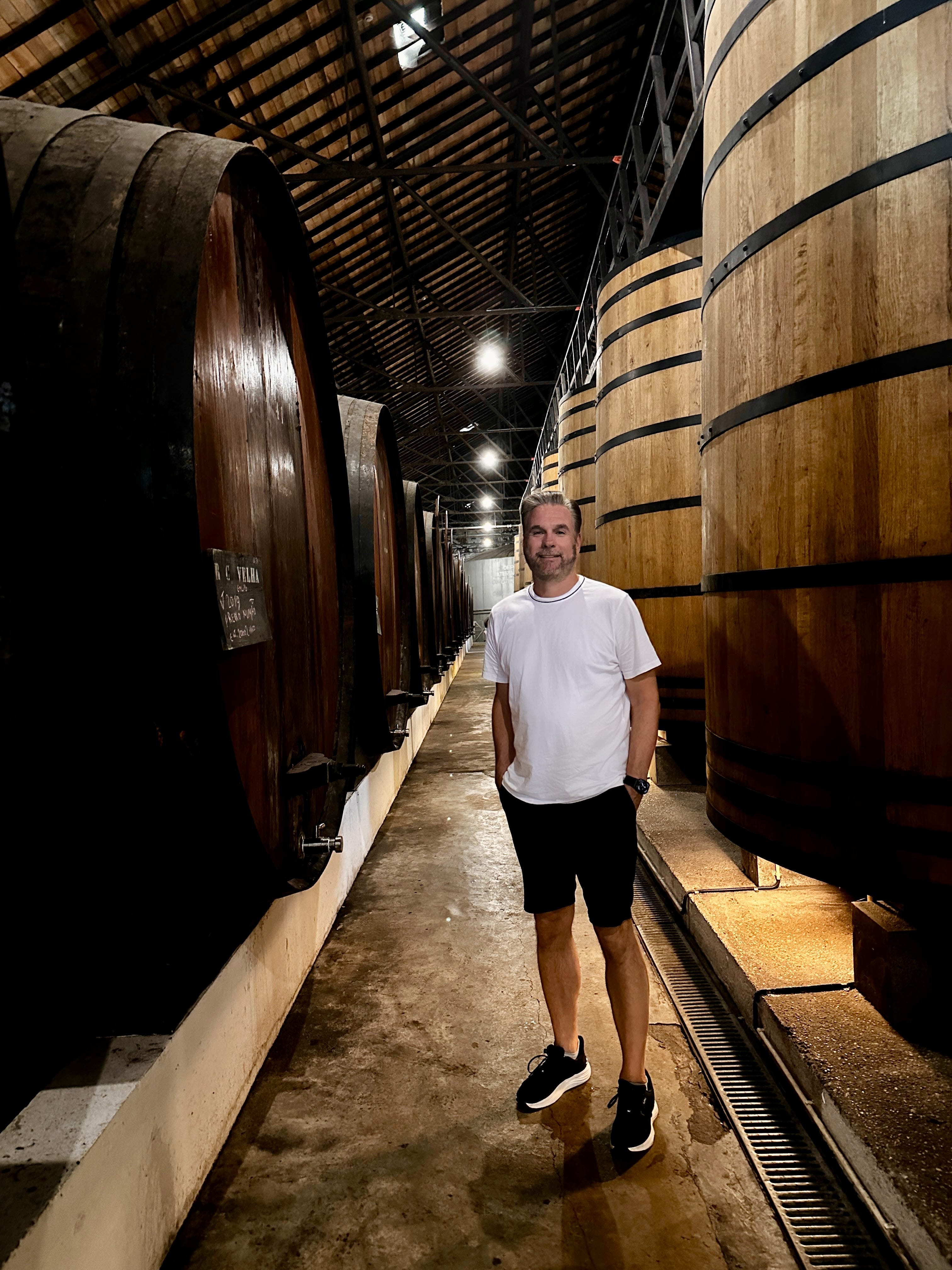
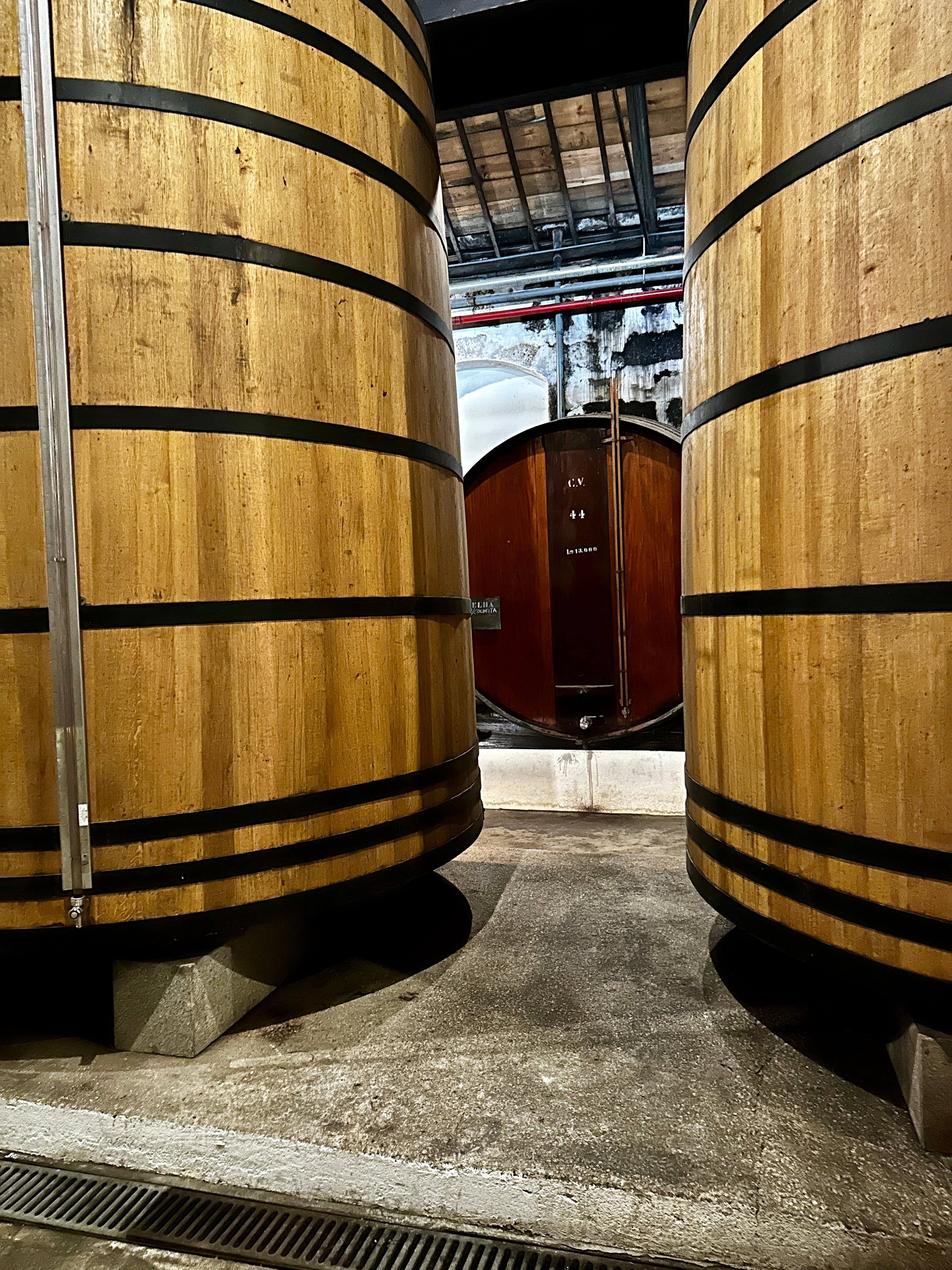
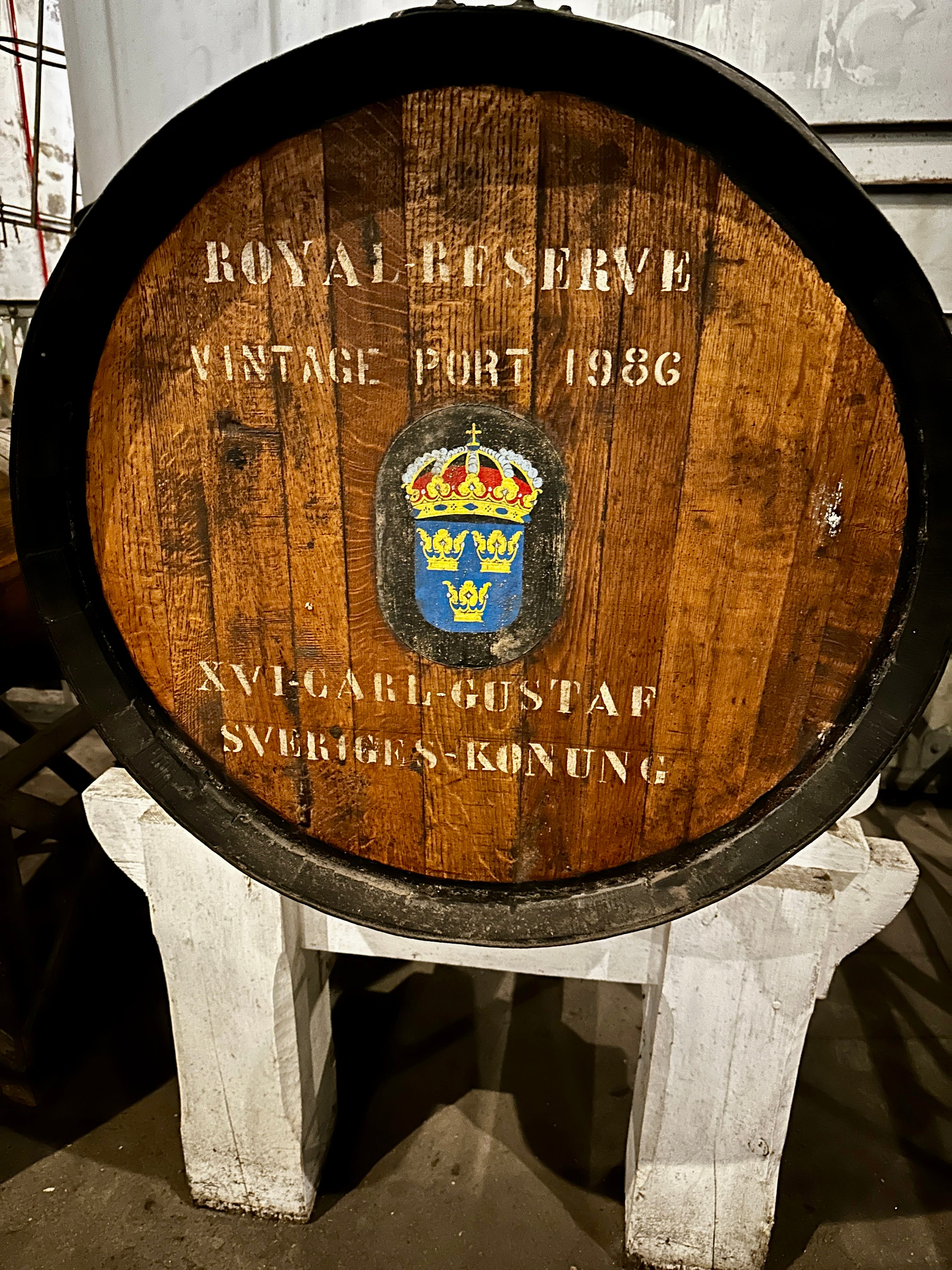
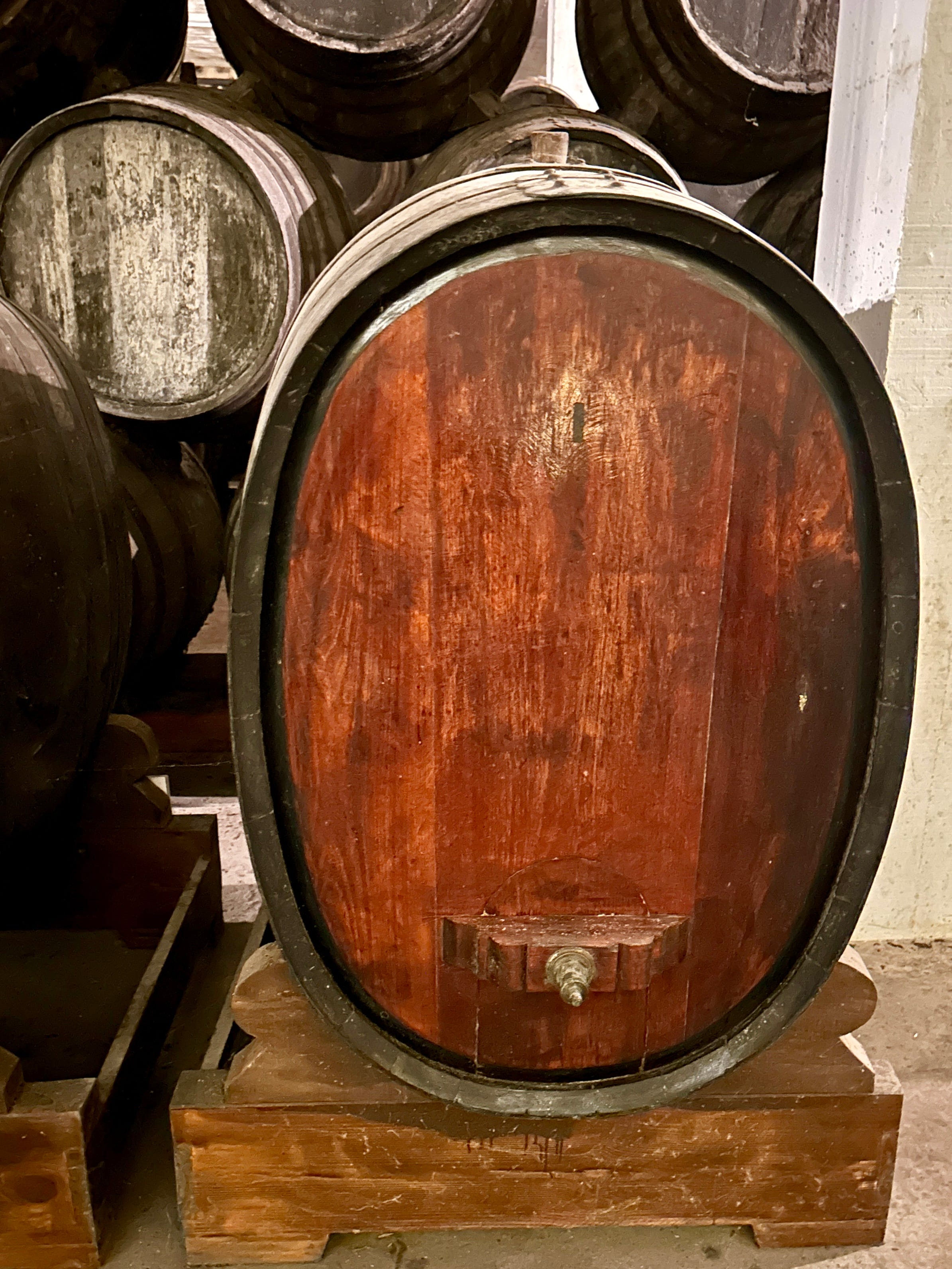
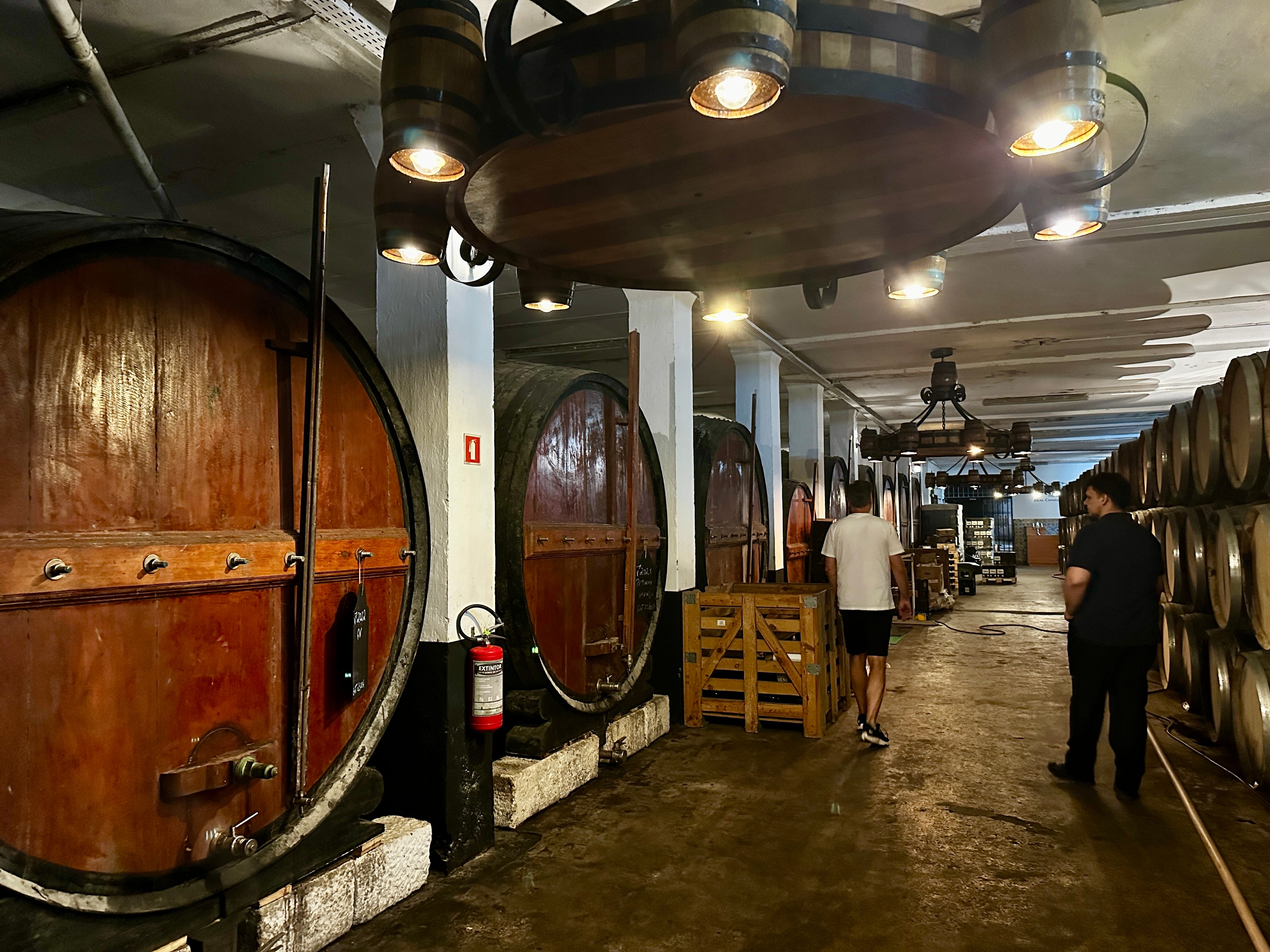
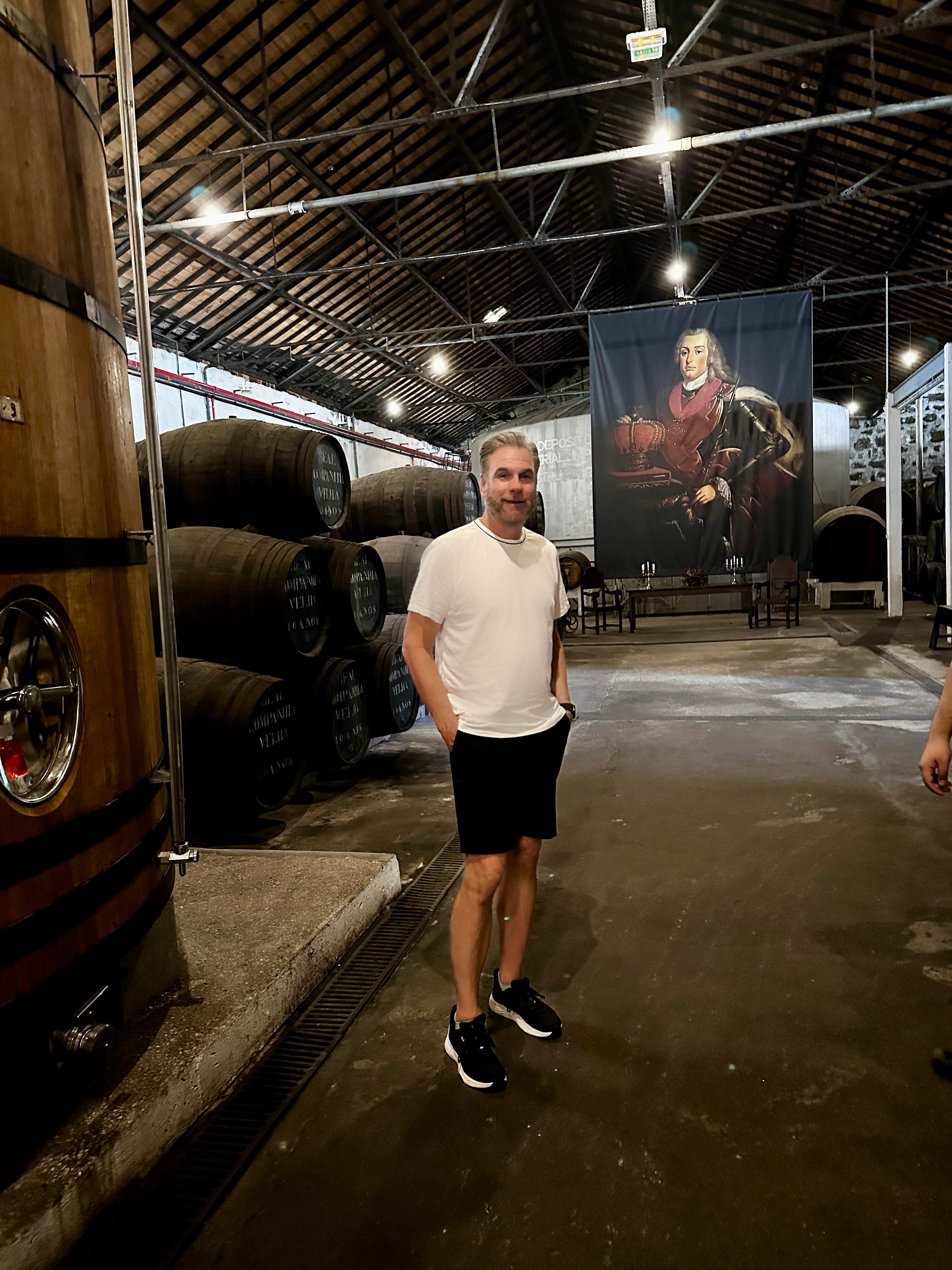
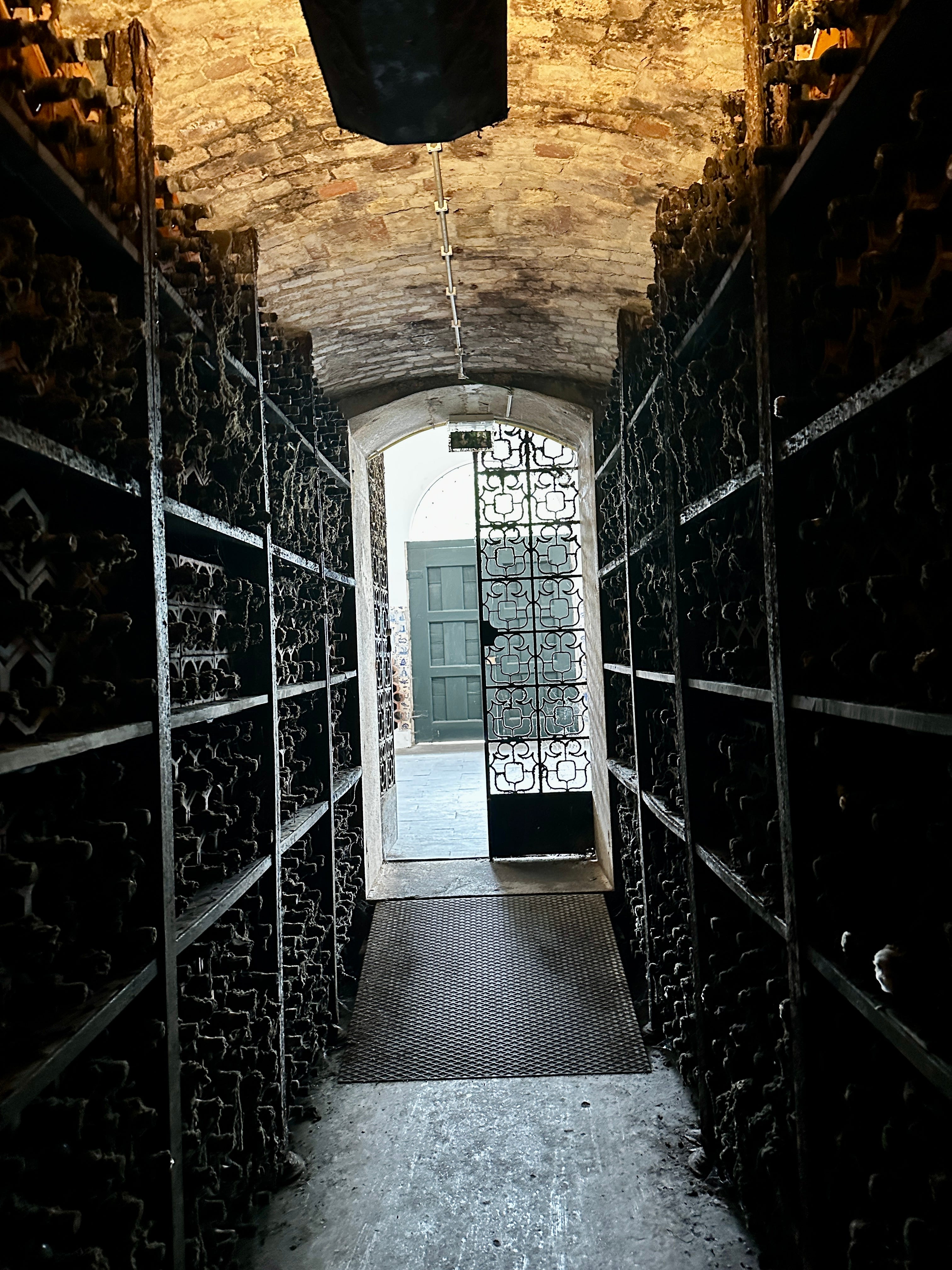
From there, we moved into the cellars, which was both fascinating and just a little spooky. The cellars include a private family collection of more than 16,000 rare Vintage Port bottles, with some dating back to 1765.
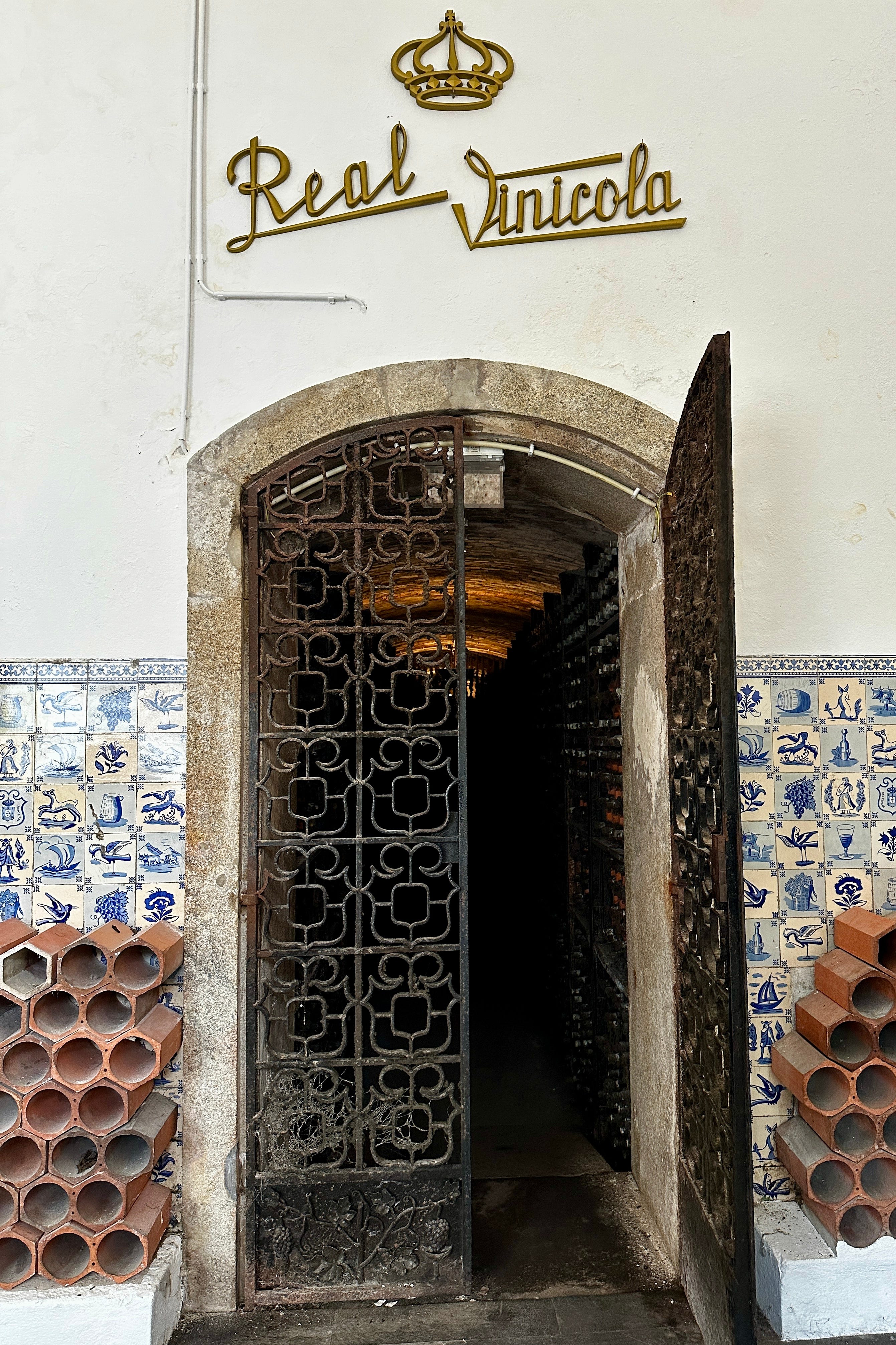
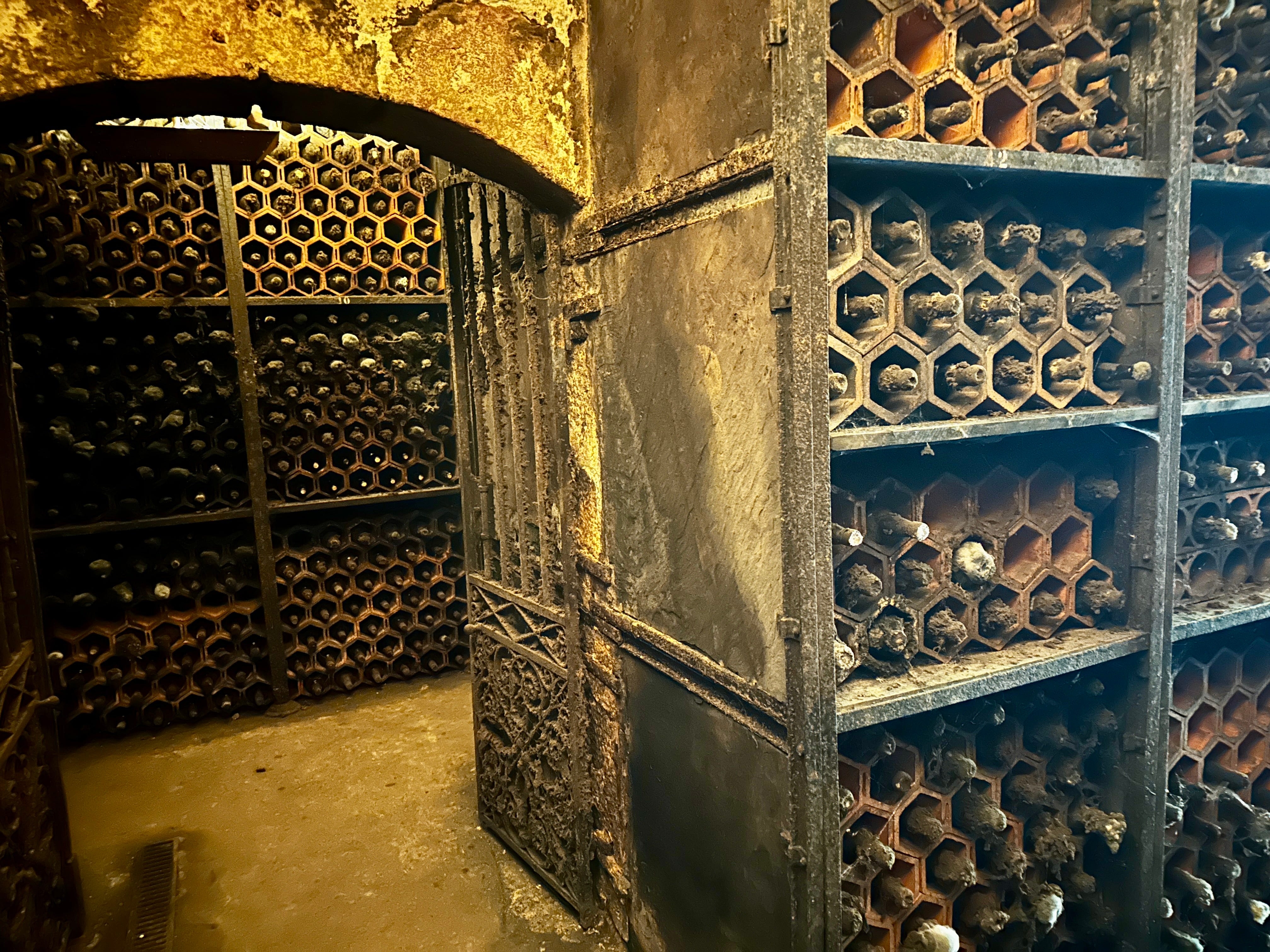
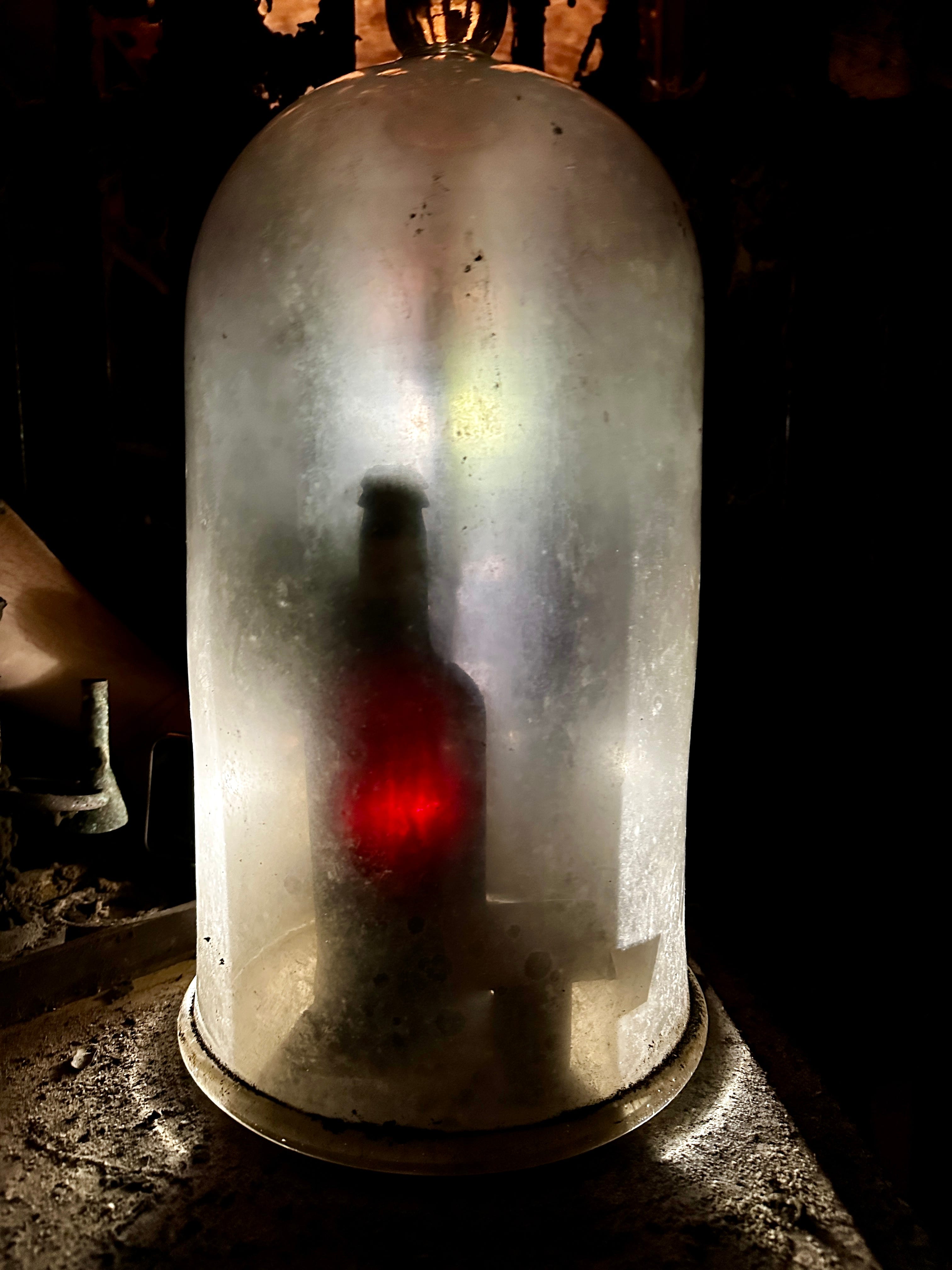
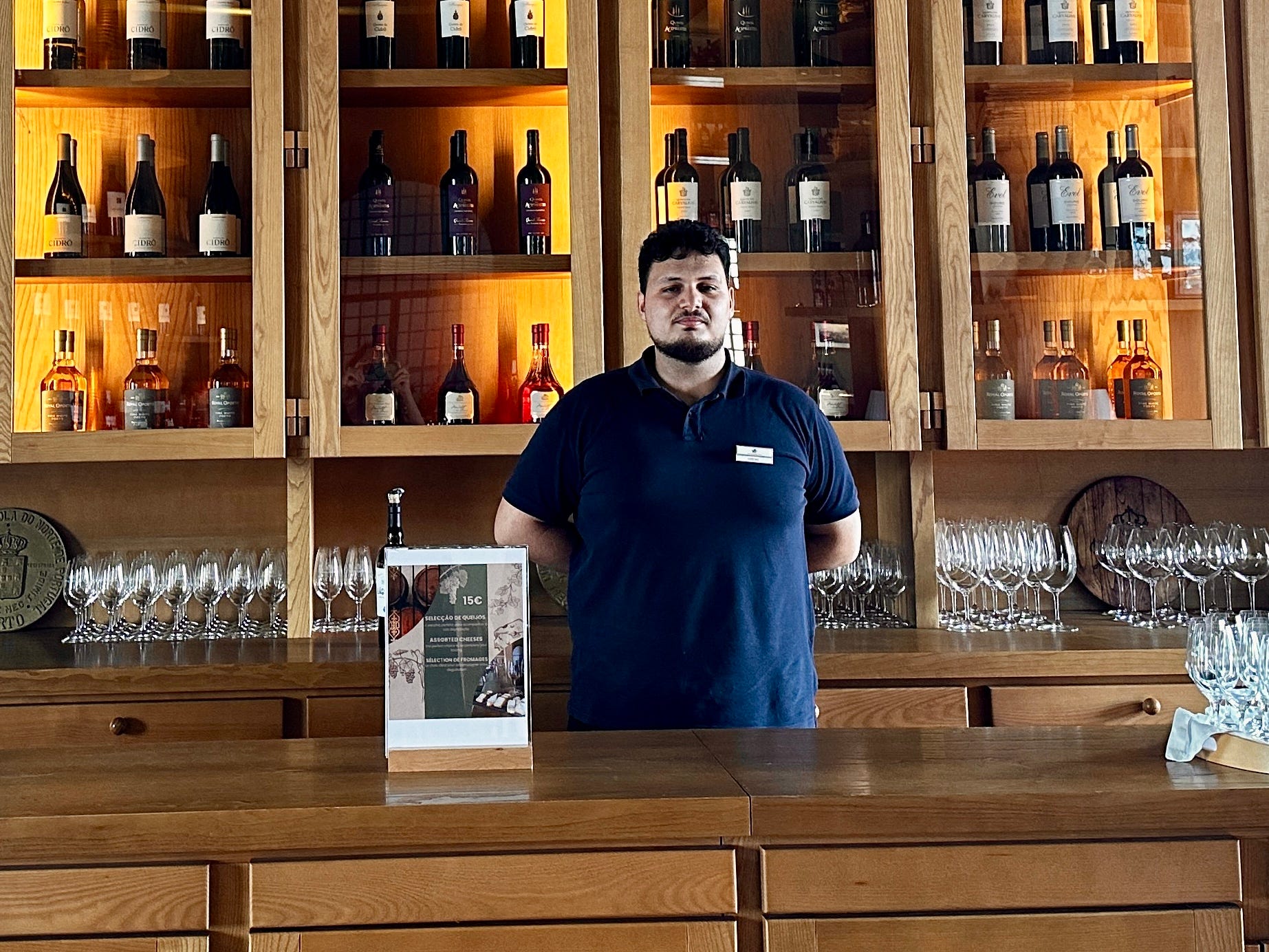
Our guide, Narciso, made the experience even better. He was incredibly knowledgeable about port wine, but also genuinely entertaining and fun, which is a pretty ideal combination when you’re spending a couple hours discussing alcohol.
At one point, he told us that he had been drinking port for 23 of his 27 years. We chose not to ask too many follow-up questions about the first few years of that timeline.
But whether he meant professionally, socially, or simply as a particularly committed student of port, Narciso clearly knew his subject. He brought the history and wine to life while keeping us laughing throughout the tour.
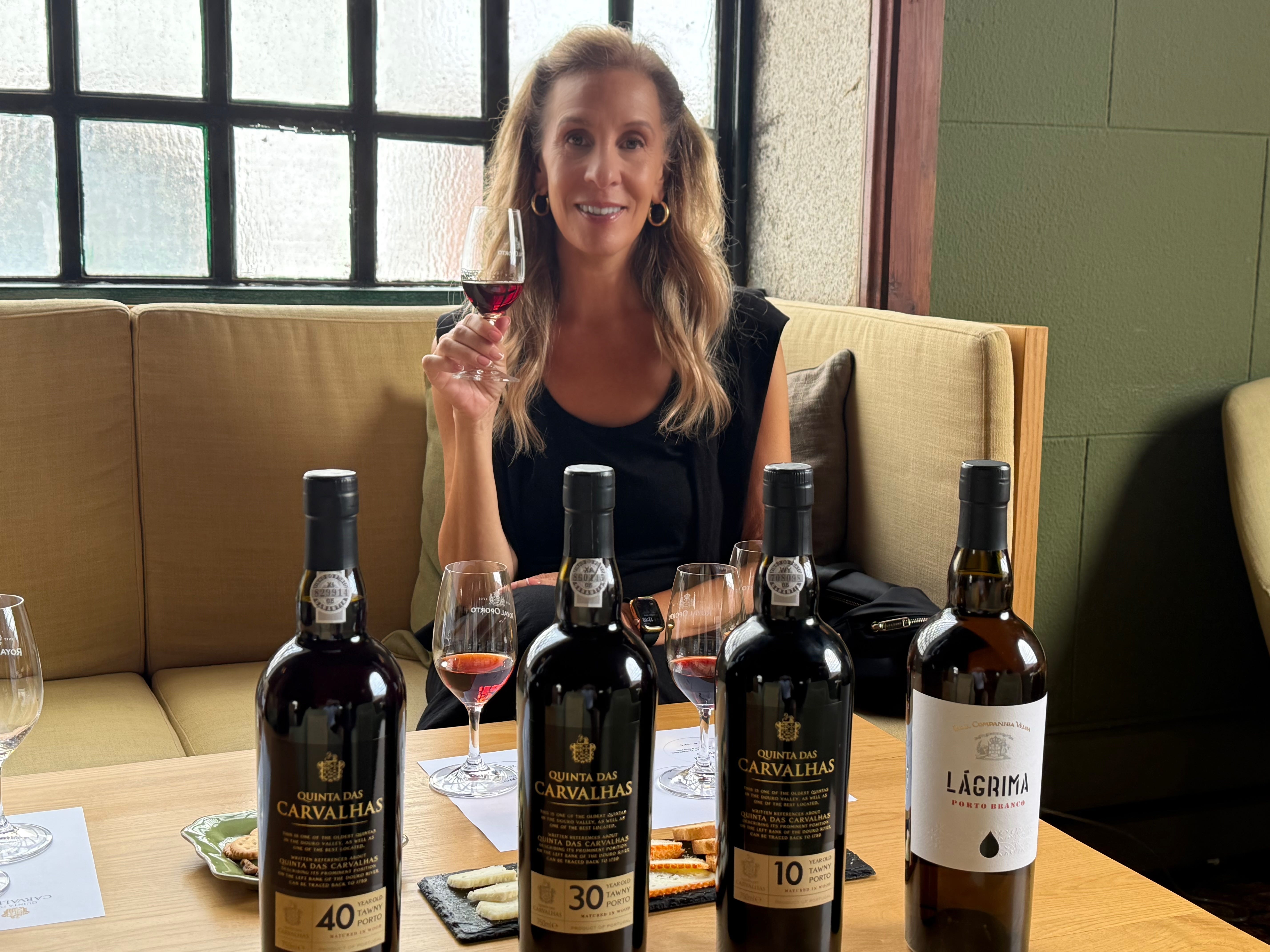
Then came the tasting. We started with a white port, followed by a 10, 30, and 40-year tawny.
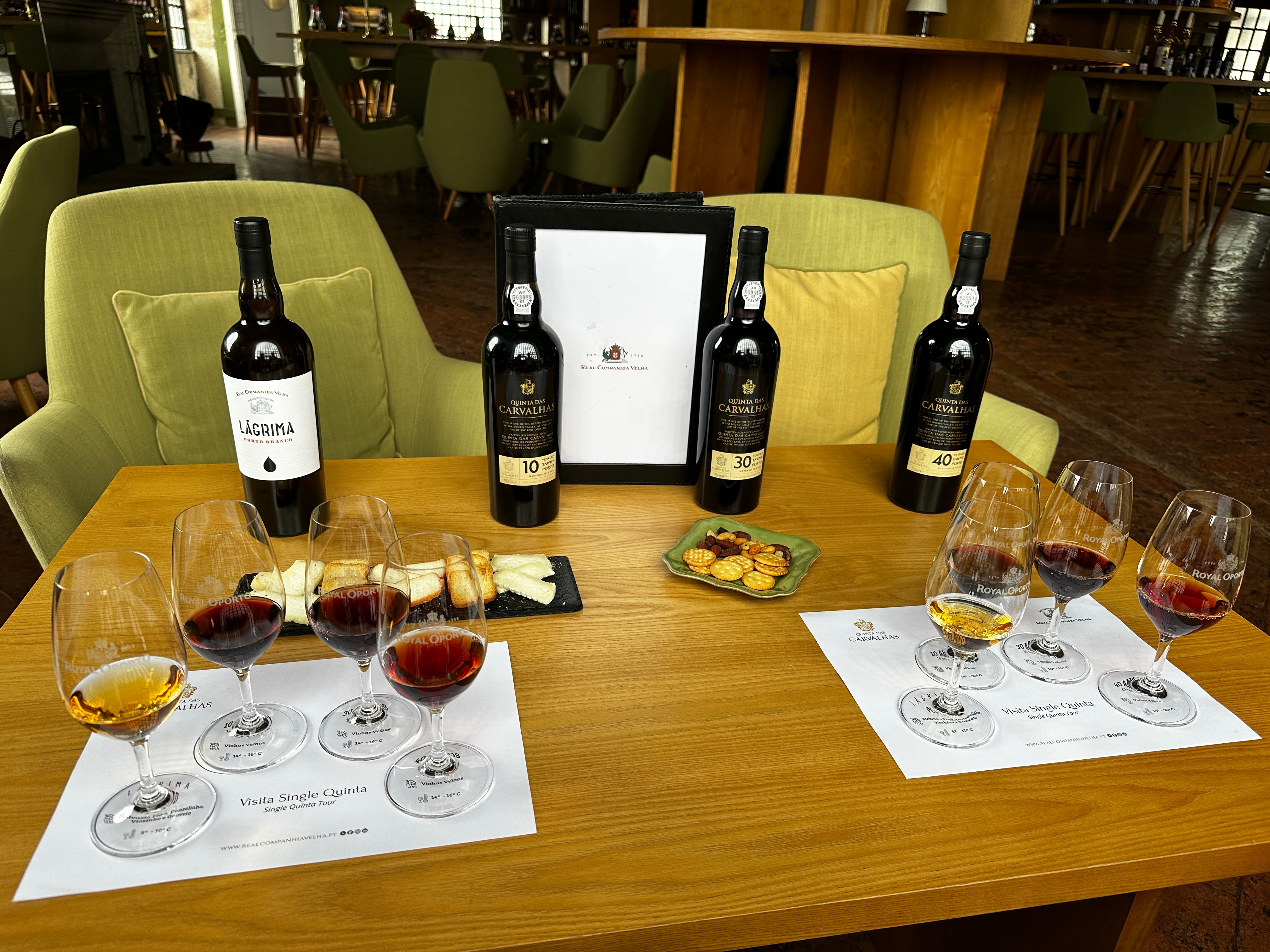
We decided to add on a glass of the 20-year tawny, just to make sure that was still our favorite. (Dear Reader: This was A LOT of port. I have no idea how we got back down that hill.)
Shawn’s favorite was still the 20-year tawny, the same one that had first captured our attention at Carvalhas. Mine was the 30-year. It was a little more smooth and caramelly.
But the 40-year was something special. It was incredibly complex and immediately reminded me of Christmas, with notes of berries, ginger, and cinnamon. Basically, if Christmas could be poured into a glass, aged for 40 years, and served with a very impressive price tag, it would taste something like this.
The experience at Real Companhia Velha was completely different from our visit to Graham’s. If you are choosing between the two, here’s how they compare:
Graham’s is a quintessential historic Port lodge with a strong British merchant heritage and a very polished, classic lodge experience. Stunning views from the onsite restaurant make for great photo ops.
Real Companhia Velha feels more like stepping into the institutional history of Port wine itself with the royal charter, the creation of the Douro demarcation, centuries-old wines, and an extraordinary collection of historical bottles. Definitely not a touristy lodge. The tasting room felt like a more elegant and comfortable experience.
After visiting the vineyard and then seeing where the port is made and aged, we’ve come to a pretty simple conclusion:
If you find a wine you really like, you should probably go see where it comes from.
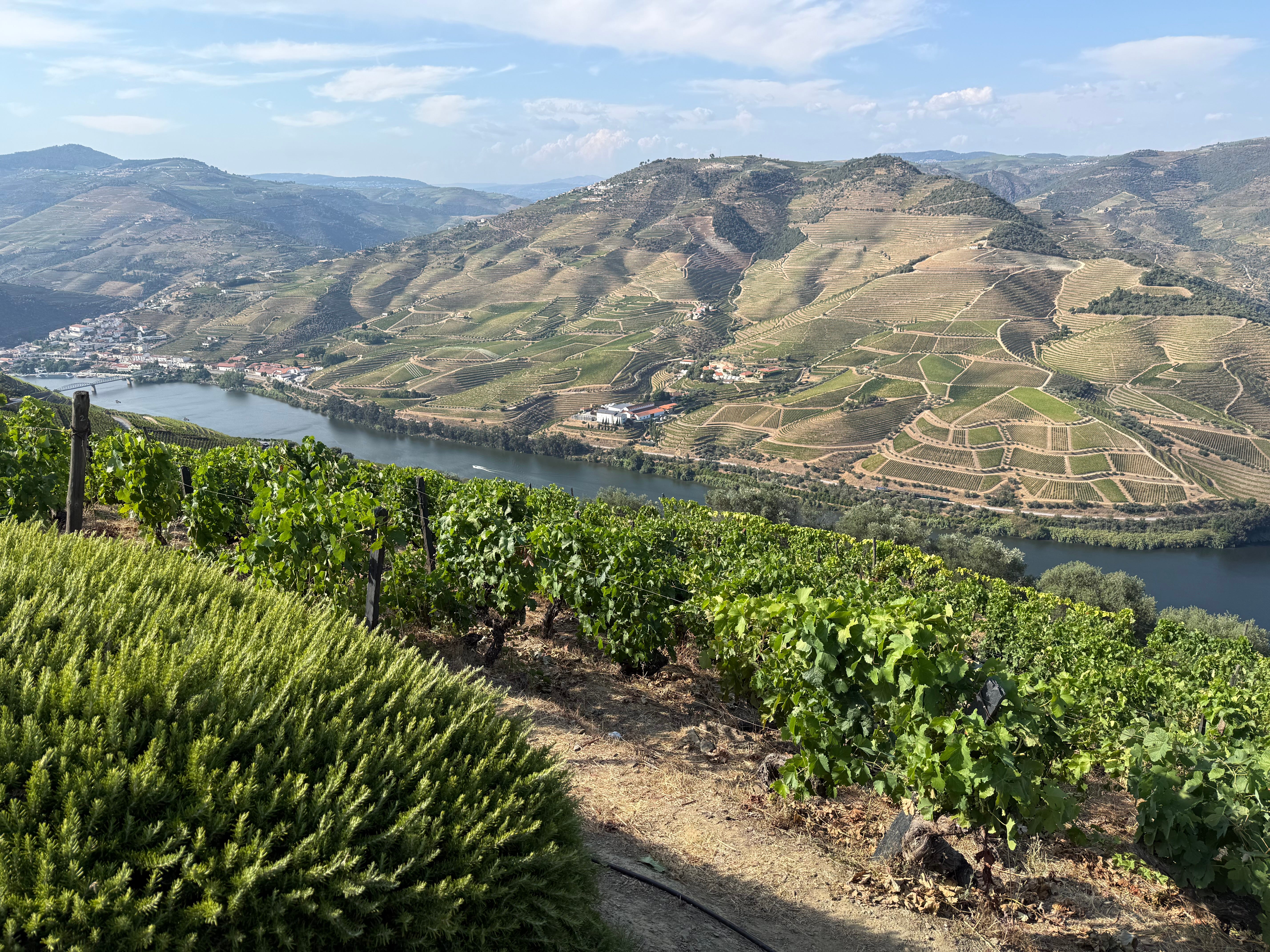
And if you get the chance to taste the grapes right off the vine, even better.
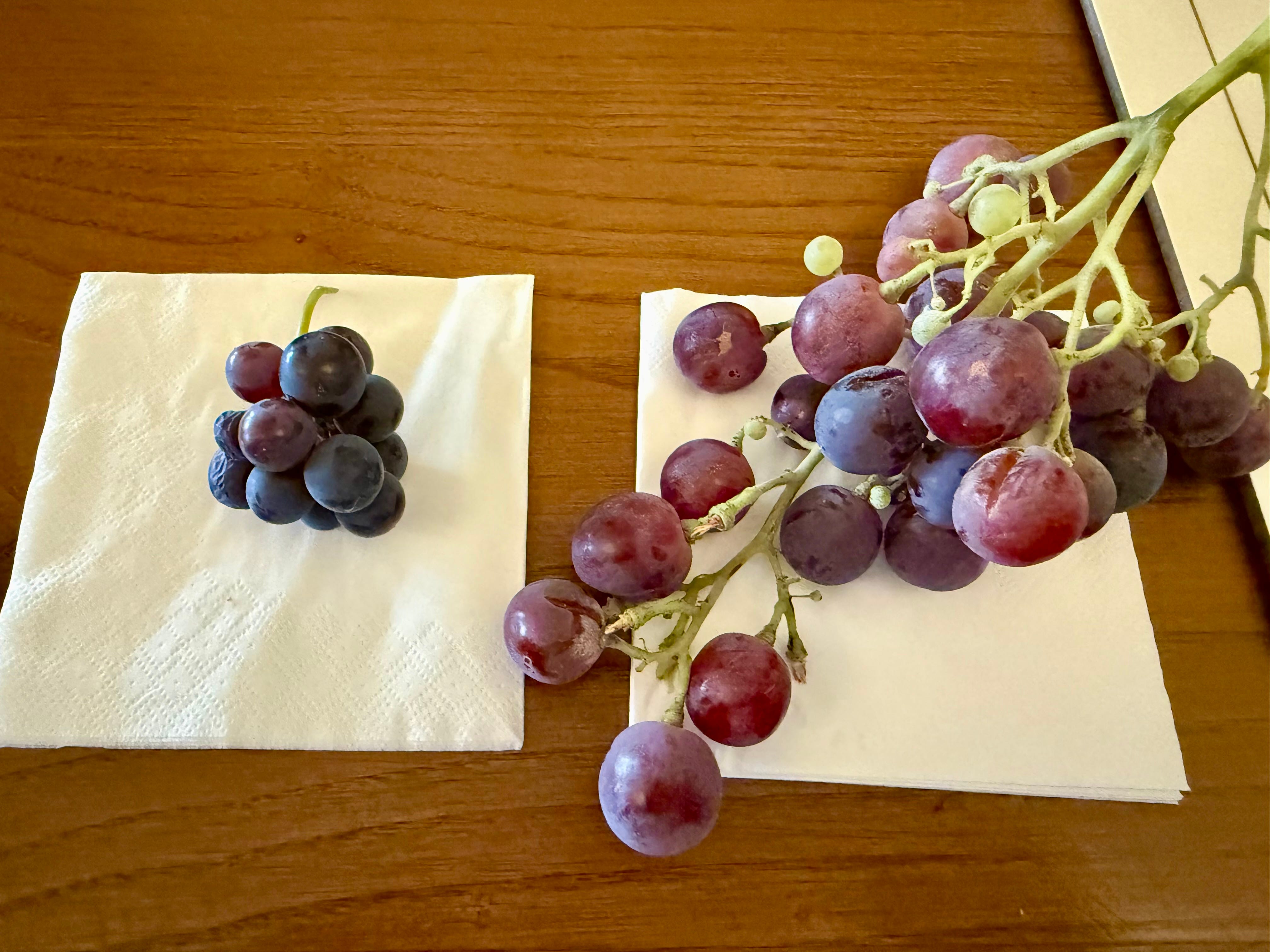
We may be finished with Port wine tastings for a while. We’ve tasted the young ones, the old ones, the special ones, and more than enough of them in a single afternoon.
But we’ve enjoyed every sip.
And if someone happens to pour us another glass someday, we’re not going to be rude about it.
What a dream day!!!! How fun but did not see any food to absorb the port wine???
Now I want some Port wine 🍷